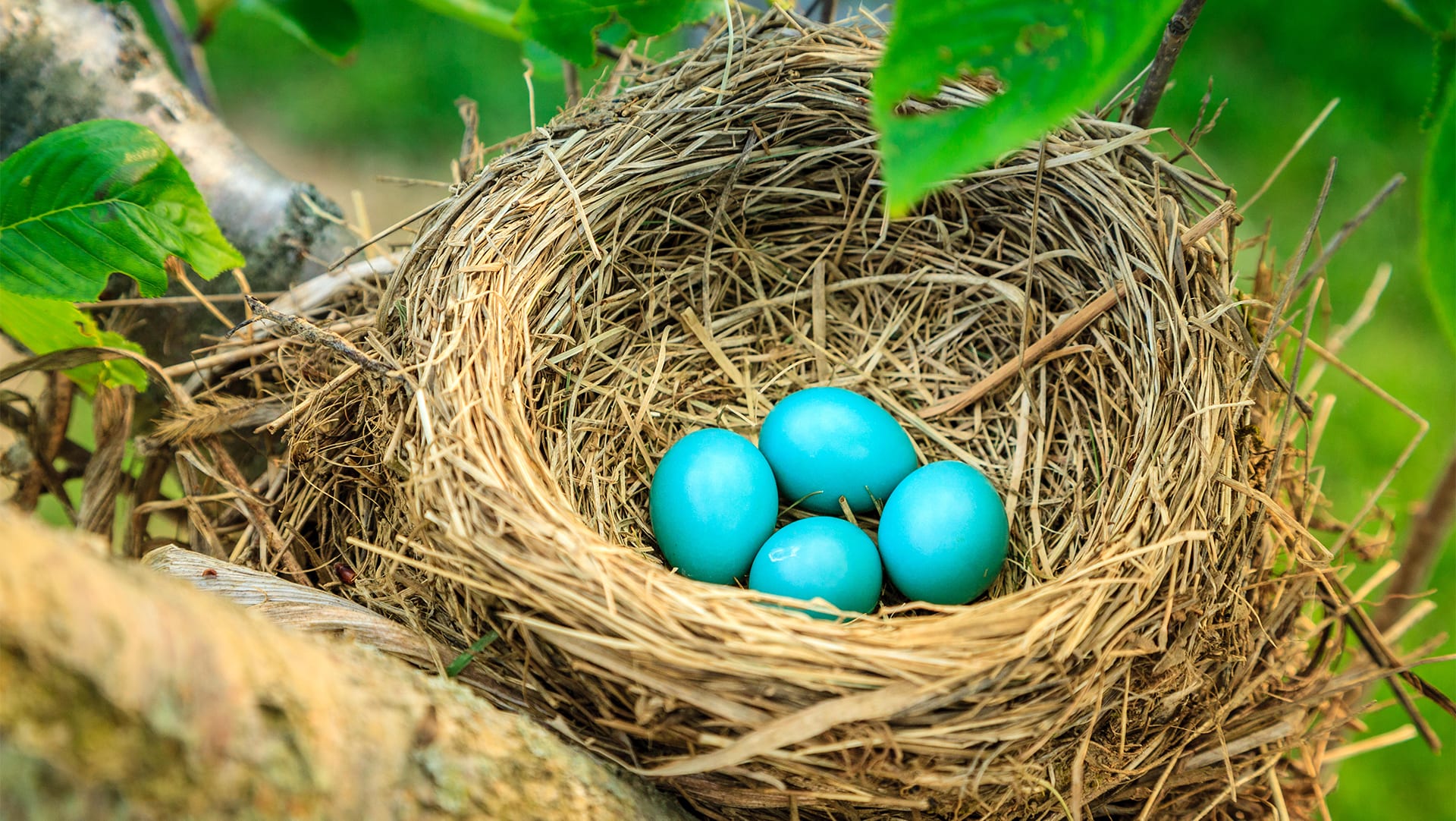
¿Por qué ponen huevos los pájaros en la primavera?
Animals Changing Their Environment
4.9
(1480 reviews)
Scroll for prep

Please wait…
This video is having trouble loading. You may have lost your Internet connection.
Step 1: Click to Reload this page
Step 2: Click to
Try our other video player
Step 3: Contact your teacher if trouble persists.
Or,
dismiss this message.
CONVERSEMOS:
¿Por qué crees que la mayoría de los pájaros ponen sus huevos en la primavera y no en las otras estaciones del año?
Please wait…
This video is having trouble loading. You may have lost your Internet connection.
Step 1: Click to Reload this page
Step 2: Click to
Try our other video player
Step 3: Contact your teacher if trouble persists.
Or,
dismiss this message.

Conversemos: ¿Qué es lo que hacen las mamás y los papás petirrojos para ayudar a sus bebés a crecer?
Please wait…
This video is having trouble loading. You may have lost your Internet connection.
Step 1: Click to Reload this page
Step 2: Click to
Try our other video player
Step 3: Contact your teacher if trouble persists.
Or,
dismiss this message.
CONVERSEMOS:
Cada primavera, los pájaros hacen nidos. ¿Para qué necesitan un nido? ¿Para qué les puede servir un nido a los pájaros?
Please wait…
This video is having trouble loading. You may have lost your Internet connection.
Step 1: Click to Reload this page
Step 2: Click to
Try our other video player
Step 3: Contact your teacher if trouble persists.
Or,
dismiss this message.
Please wait…
This video is having trouble loading. You may have lost your Internet connection.
Step 1: Click to Reload this page
Step 2: Click to
Try our other video player
Step 3: Contact your teacher if trouble persists.
Or,
dismiss this message.
Paso
01/15
01/15
Obtén tus materiales.
Please wait…
This video is having trouble loading. You may have lost your Internet connection.
Step 1: Click to Reload this page
Step 2: Click to
Try our other video player
Step 3: Contact your teacher if trouble persists.
Or,
dismiss this message.
Paso
02/15
02/15
Encuentra un compañero o compañera con quién trabajar. Tú y
tu compañero o compañera se ayudarán uno al otro a construir
su nido. Si estás trabajando solo, está bien.
tu compañero o compañera se ayudarán uno al otro a construir
su nido. Si estás trabajando solo, está bien.
Please wait…
This video is having trouble loading. You may have lost your Internet connection.
Step 1: Click to Reload this page
Step 2: Click to
Try our other video player
Step 3: Contact your teacher if trouble persists.
Or,
dismiss this message.
Paso
03/15
03/15
Algunos pájaros usan ramitas para construir un nido que tiene la
forma de un plato hondo. No tienes ramitas, pero tienes una bolsa
de papel. Conversemos:
forma de un plato hondo. No tienes ramitas, pero tienes una bolsa
de papel. Conversemos:
Please wait…
This video is having trouble loading. You may have lost your Internet connection.
Step 1: Click to Reload this page
Step 2: Click to
Try our other video player
Step 3: Contact your teacher if trouble persists.
Or,
dismiss this message.
Paso
04/15
04/15
Pon tu bolsa sobre tu mesa o escritorio, así. Ponte de pie y mete
la mano en la bolsa. Haz que tu compañero o compañera utilice
sus dos manos para aplanar los dos lados de la bolsa.
la mano en la bolsa. Haz que tu compañero o compañera utilice
sus dos manos para aplanar los dos lados de la bolsa.
Please wait…
This video is having trouble loading. You may have lost your Internet connection.
Step 1: Click to Reload this page
Step 2: Click to
Try our other video player
Step 3: Contact your teacher if trouble persists.
Or,
dismiss this message.
Paso
05/15
05/15
Tu bolsa empezó plana. Si un pájaro pusiera un huevo sobre la
bolsa plana, mira lo que pasaría. Ahora, observa lo que sucedería
si un pájaro pusiera un huevo en el nido que hiciste usando la bolsa.
Conversemos:
bolsa plana, mira lo que pasaría. Ahora, observa lo que sucedería
si un pájaro pusiera un huevo en el nido que hiciste usando la bolsa.
Conversemos:
Please wait…
This video is having trouble loading. You may have lost your Internet connection.
Step 1: Click to Reload this page
Step 2: Click to
Try our other video player
Step 3: Contact your teacher if trouble persists.
Or,
dismiss this message.
Paso
06/15
06/15
Tu nido se ve bien, pero aún no has terminado. Mira lo que
hace este pajarito para obtener ideas de cómo mejorar tu nido.
Conversemos:
hace este pajarito para obtener ideas de cómo mejorar tu nido.
Conversemos:
Please wait…
This video is having trouble loading. You may have lost your Internet connection.
Step 1: Click to Reload this page
Step 2: Click to
Try our other video player
Step 3: Contact your teacher if trouble persists.
Or,
dismiss this message.
Paso
07/15
07/15
Tienes algunas cosas que podrás usar para hacer tu nido más
suave. Siente cada material. Decide qué material haría que tu
bolsa de papel sea un lugar más suave para los huevos y los
polluelos.
suave. Siente cada material. Decide qué material haría que tu
bolsa de papel sea un lugar más suave para los huevos y los
polluelos.
Please wait…
This video is having trouble loading. You may have lost your Internet connection.
Step 1: Click to Reload this page
Step 2: Click to
Try our other video player
Step 3: Contact your teacher if trouble persists.
Or,
dismiss this message.
Paso
08/15
08/15
Ahora tienes que encontrar la manera de usar el material
suave que tienes. Experimenta con lo que tienes.
suave que tienes. Experimenta con lo que tienes.
Please wait…
This video is having trouble loading. You may have lost your Internet connection.
Step 1: Click to Reload this page
Step 2: Click to
Try our other video player
Step 3: Contact your teacher if trouble persists.
Or,
dismiss this message.
Paso
09/15
09/15
Forma un puño con tu mano y ponlo sobre la hoja, en la esquina.
Delinea el contorno de tu puño con un lápiz.
Delinea el contorno de tu puño con un lápiz.
Please wait…
This video is having trouble loading. You may have lost your Internet connection.
Step 1: Click to Reload this page
Step 2: Click to
Try our other video player
Step 3: Contact your teacher if trouble persists.
Or,
dismiss this message.
Paso
10/15
10/15
Colorea tu pájaro. Puedes colorearlo para que parezca un pájaro
de verdad o colorearlo de los colores que quieras. Dibújale una cola.
de verdad o colorearlo de los colores que quieras. Dibújale una cola.
Please wait…
This video is having trouble loading. You may have lost your Internet connection.
Step 1: Click to Reload this page
Step 2: Click to
Try our other video player
Step 3: Contact your teacher if trouble persists.
Or,
dismiss this message.
Paso
11/15
11/15
Dibuja un cuadrado alrededor de tu pájaro, de esta manera.
Ahora recorta el cuadrado usando las líneas que dibujaste.
Ahora tu pájaro está listo para sentarse en su nido.
Ahora recorta el cuadrado usando las líneas que dibujaste.
Ahora tu pájaro está listo para sentarse en su nido.
Please wait…
This video is having trouble loading. You may have lost your Internet connection.
Step 1: Click to Reload this page
Step 2: Click to
Try our other video player
Step 3: Contact your teacher if trouble persists.
Or,
dismiss this message.
Paso
12/15
12/15
Pon tu pájaro en tu nido. Es posible que tu nido no se parezca al
nuestro ni al nido de otras personas. Está bien. Hay muchos tipos
diferentes de nidos de pájaros.
Please wait…
This video is having trouble loading. You may have lost your Internet connection.
Step 1: Click to Reload this page
Step 2: Click to
Try our other video player
Step 3: Contact your teacher if trouble persists.
Or,
dismiss this message.
Paso
13/15
13/15
Mira estos tres tipos de nidos. Conversemos:
Please wait…
This video is having trouble loading. You may have lost your Internet connection.
Step 1: Click to Reload this page
Step 2: Click to
Try our other video player
Step 3: Contact your teacher if trouble persists.
Or,
dismiss this message.
Paso
14/15
14/15
Todos los nidos mantienen a los huevos en su lugar, pero cada
nido está hecho de diferentes materiales. Las aves viven en
lugares diferentes y por eso construyen su nido usando lo que
pueden encontrar a su alrededor.
nido está hecho de diferentes materiales. Las aves viven en
lugares diferentes y por eso construyen su nido usando lo que
pueden encontrar a su alrededor.
Please wait…
This video is having trouble loading. You may have lost your Internet connection.
Step 1: Click to Reload this page
Step 2: Click to
Try our other video player
Step 3: Contact your teacher if trouble persists.
Or,
dismiss this message.
Paso
15/15
15/15
Para divertirte, puedes imaginarte que eres una ave. ¿Qué
puedes usar para construir tu nido? Diviértete y nunca
pierdas la curiosidad.
puedes usar para construir tu nido? Diviértete y nunca
pierdas la curiosidad.

estación
1 de 7
una parte del año que tiene un clima particular y que se repite cada año

primavera
2 de 7
una de las cuatro estaciones del año, cuando el clima se empieza a poner más caliente en ciertas partes del mundo

nido
3 de 7
algo que los animales construyen para criar a sus bebés

huevo
4 de 7
algunos animales ponen estos y sus bebés crecen dentro

nacer
5 de 7
salir del cascarón, salir de un huevo
Please wait…
This video is having trouble loading. You may have lost your Internet connection.
Step 1: Click to Reload this page
Step 2: Click to
Try our other video player
Step 3: Contact your teacher if trouble persists.
Or,
dismiss this message.
experimento
6 de 7
una prueba que se usa para descubrir más información sobre una pregunta

modelo
7 de 7
una versión de mentiras de algo que los científicos usan cuando la cosa de verdad es algo demasiado grande, pequeño, o complicado para poder usarlo en sus estudios