Get a free trial until June 30, 2026!
New members get access to our science units, hands-on activities, mini-lessons, & more!

New members get a free trial through June 2026!

Back
Back

How are animals and plants like machines?

Human Machine Unit
Performance Task
System Modeling & Explanation
4.6 (473 reviews)
Scroll for prep
# Unit Review: Anchoring Phenomenon
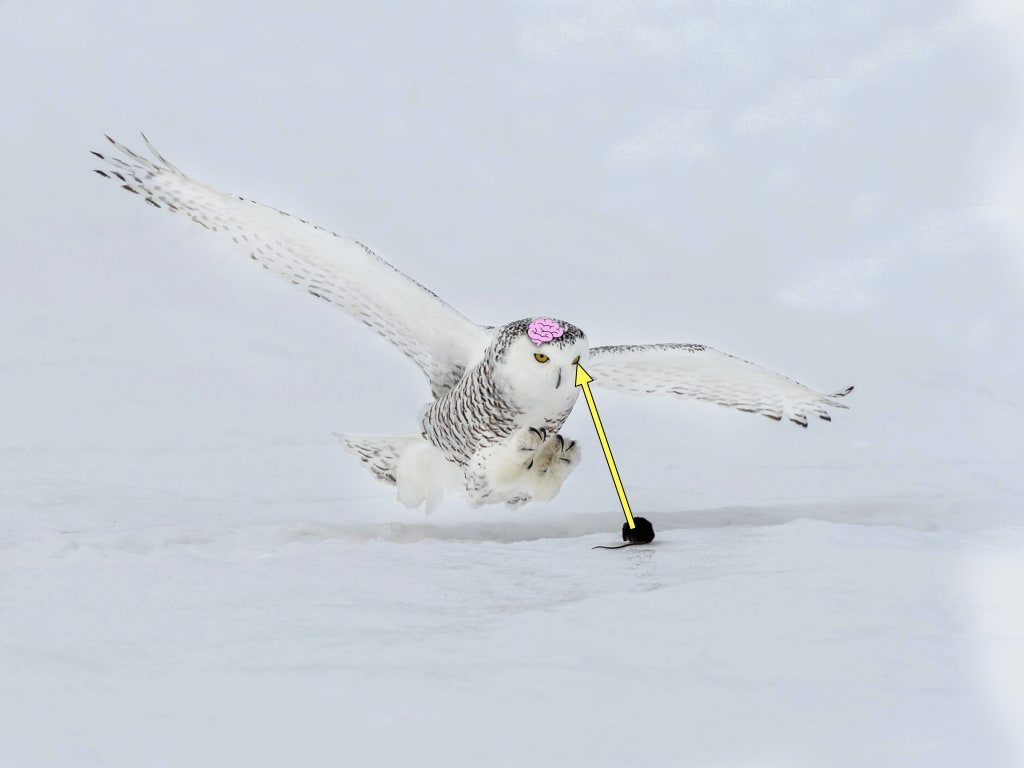
  • How do the owl’s body parts work together as a system?
  • How does information flow in the system?
# Unit Review: Key Concepts
  • Muscles pull on bones to create movement.
  • Eyes are sensory organs that receive information about the world.
  • Light enters the eye, which provides information about surroundings.
  • The pupil gets larger to let more light in when it is dark.
  • The brain receives information from the senses, processes the information, and controls the muscles to enable movement.
# Unit Review: Owl System Model

If you haven’t completed your final Owl System Model worksheet, now is the time to do so. We’ll review how the owl senses and responds to its environment in the next few slides.

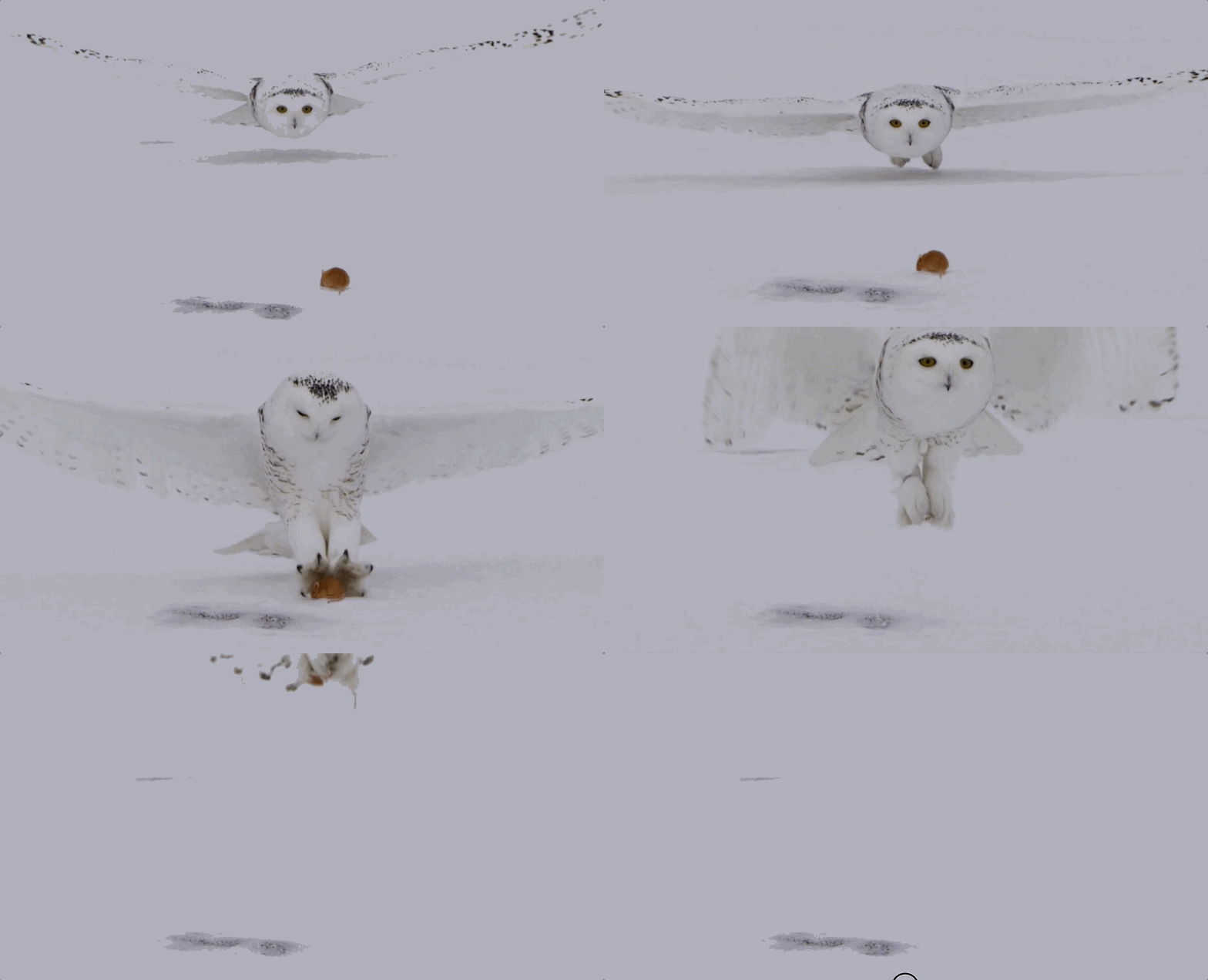
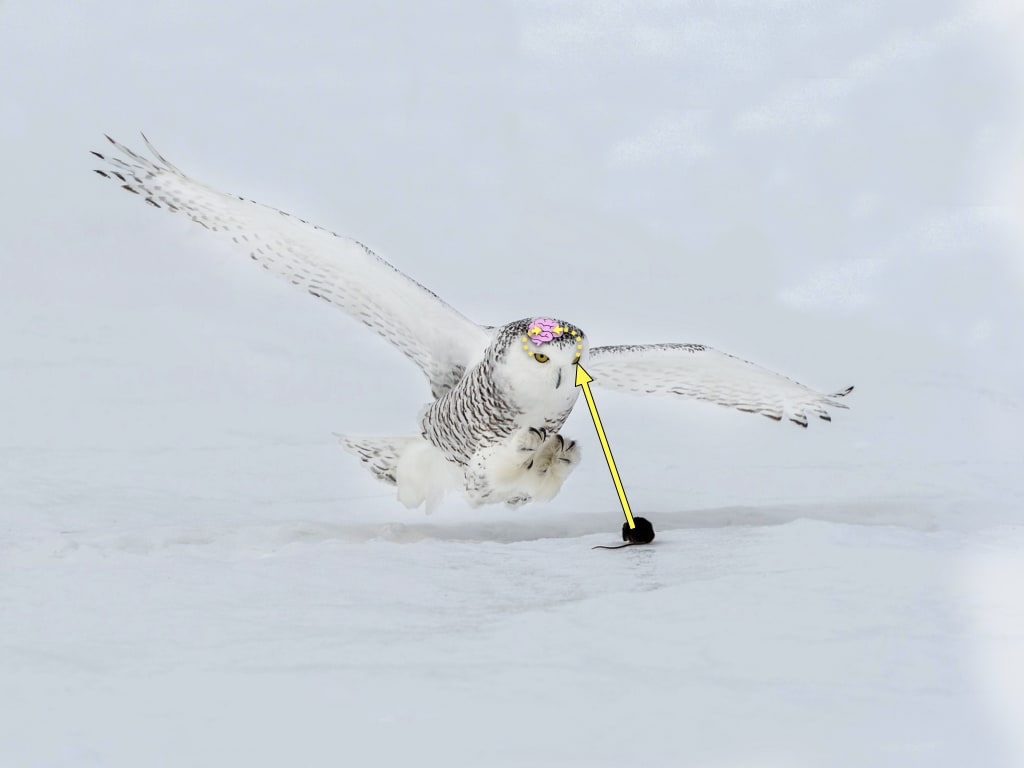
Step 1: Light reflects off the mouse and enters the owl’s eye. The eyes are sensory organs.

Step 2: The information signal travels from the eye to the owl’s brain.

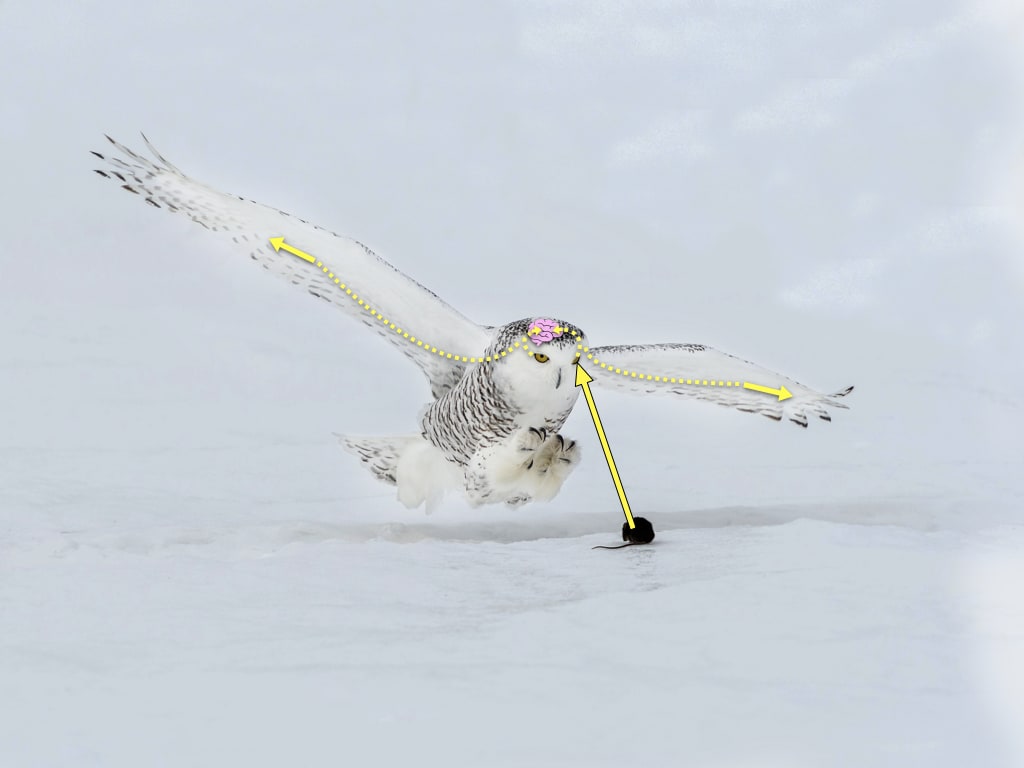
Step 3: The owl’s brain processes the information and sends a signal to the muscles in the wings.

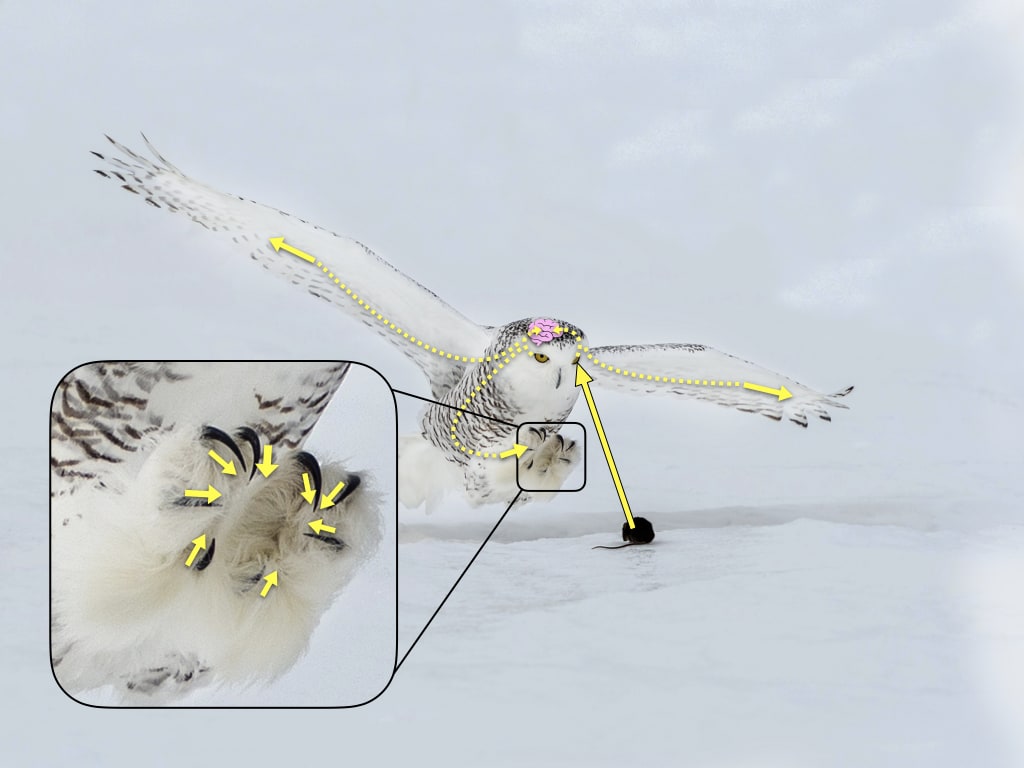
Step 4: The owl’s brain also sends a signal to the muscles in its claws.

Step 5: The owl’s muscles receive the signal and pull on the bones, creating movement. The wings flap and the claws contract.

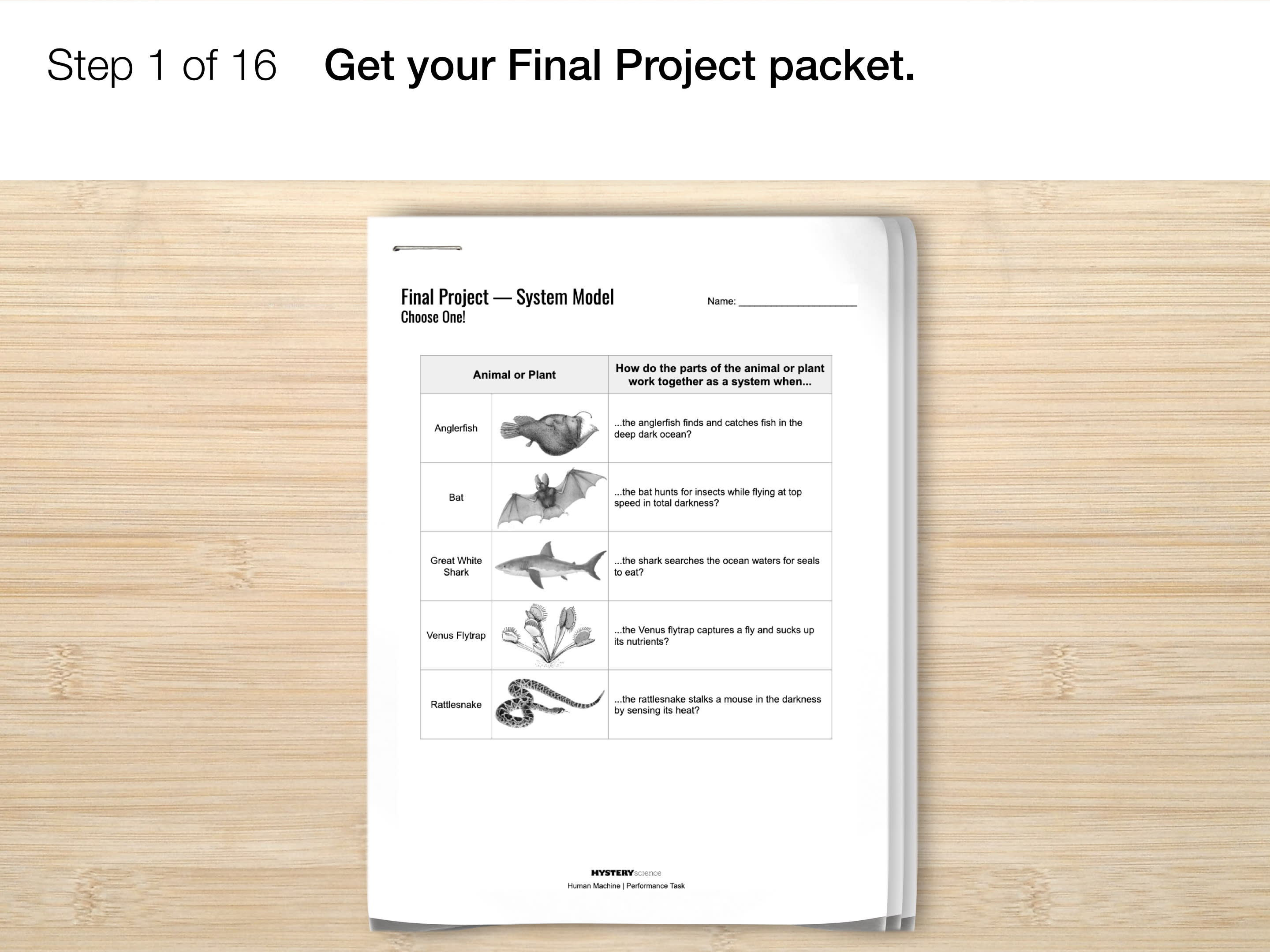
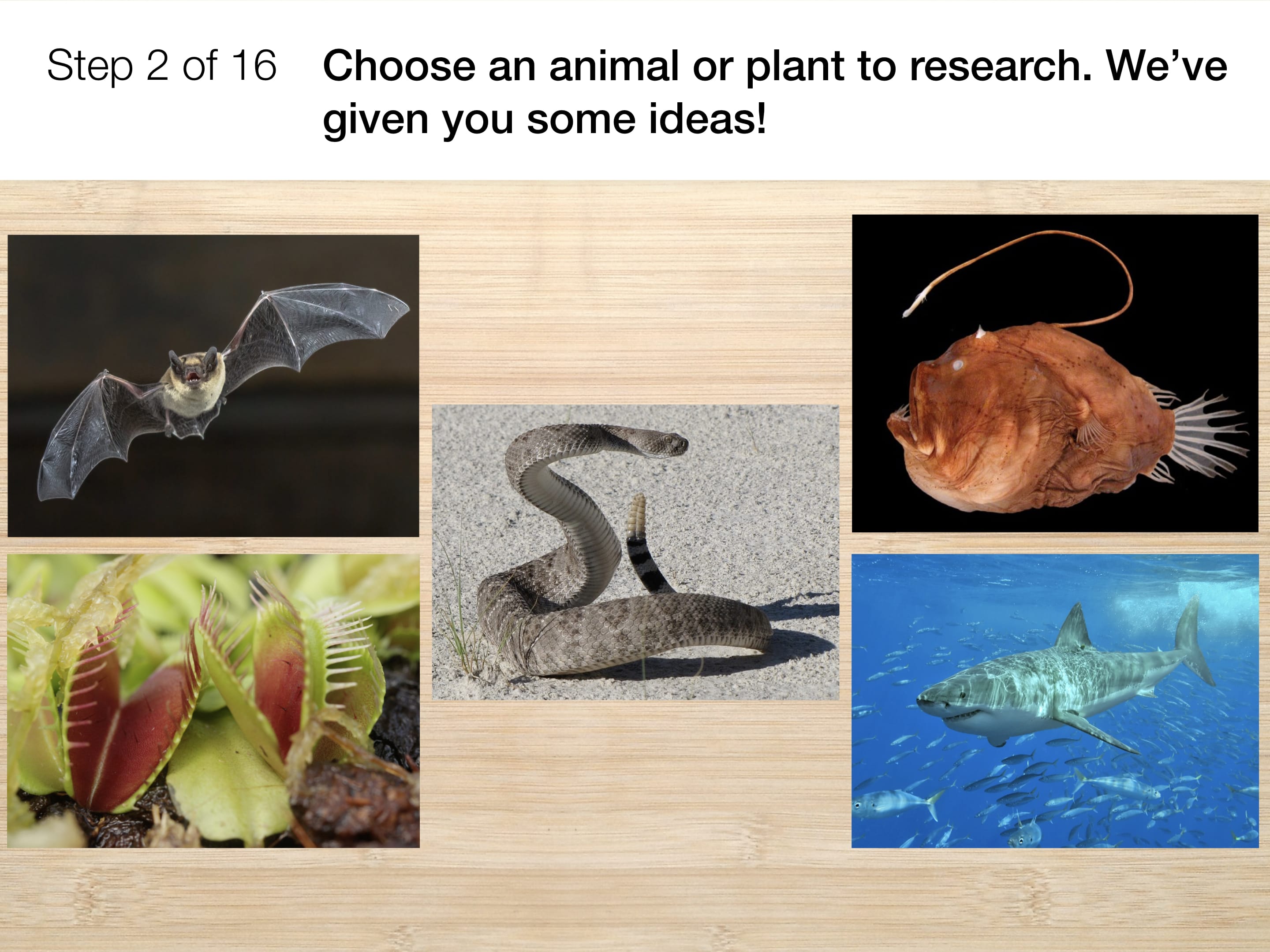
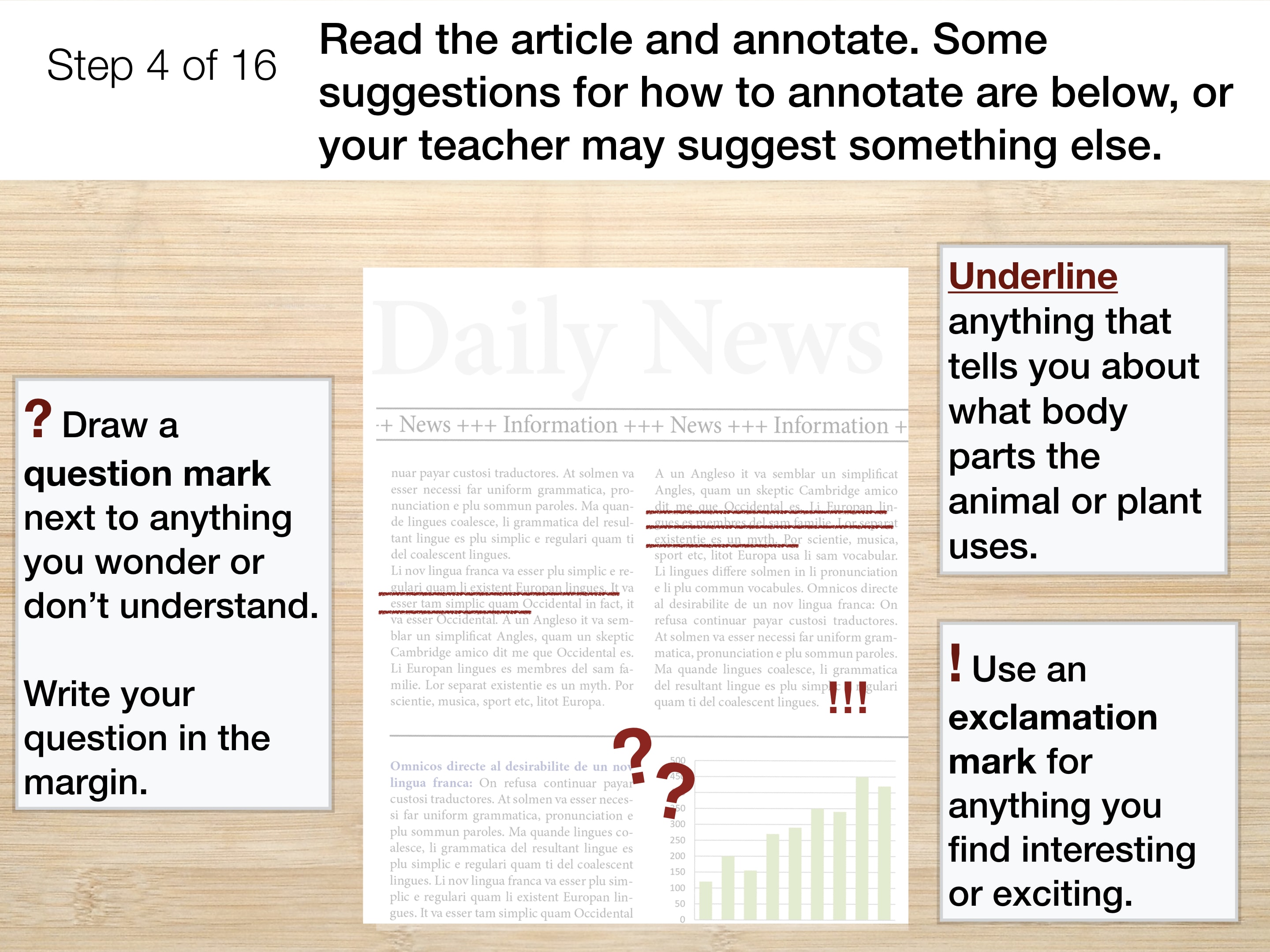
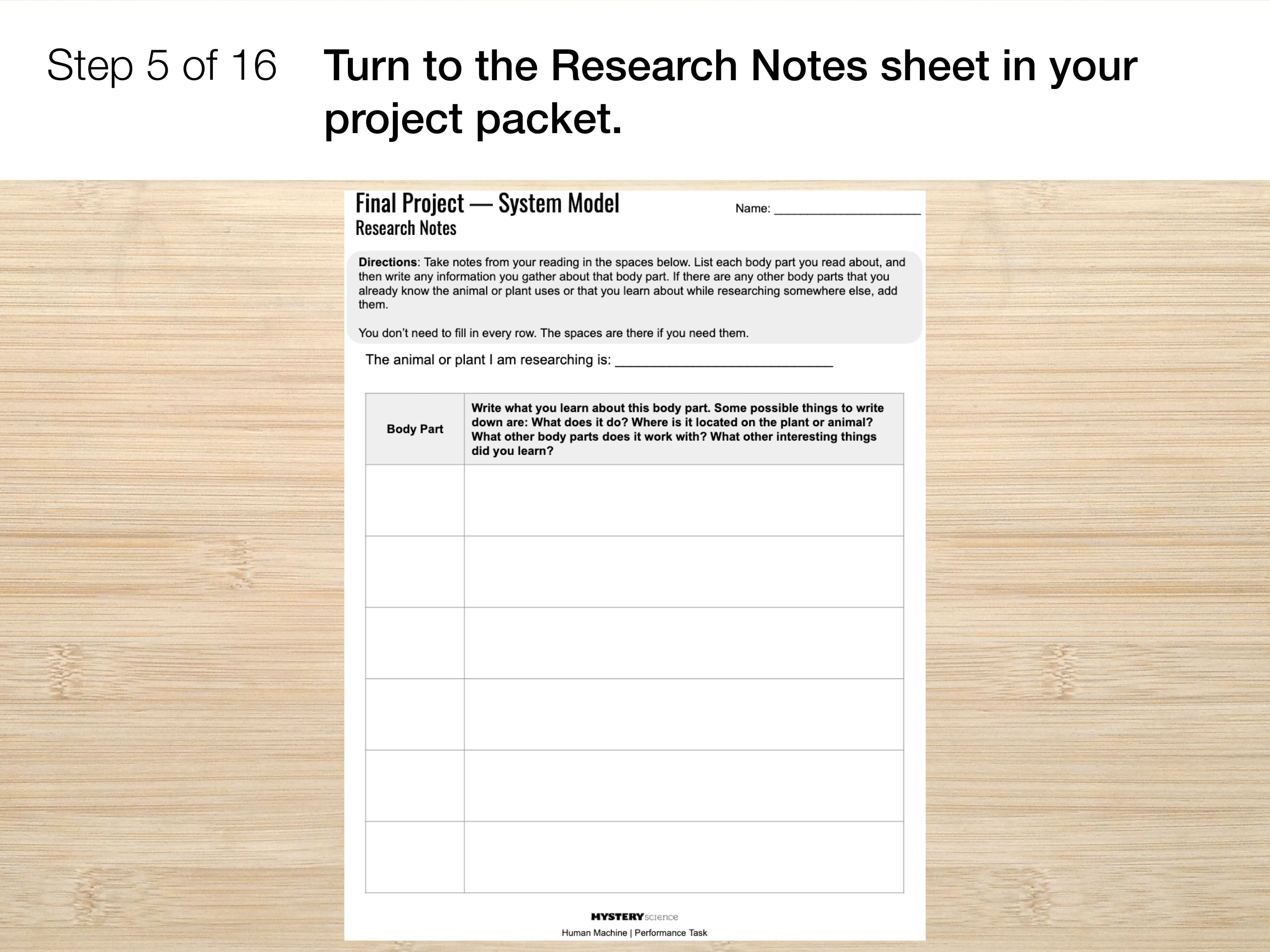
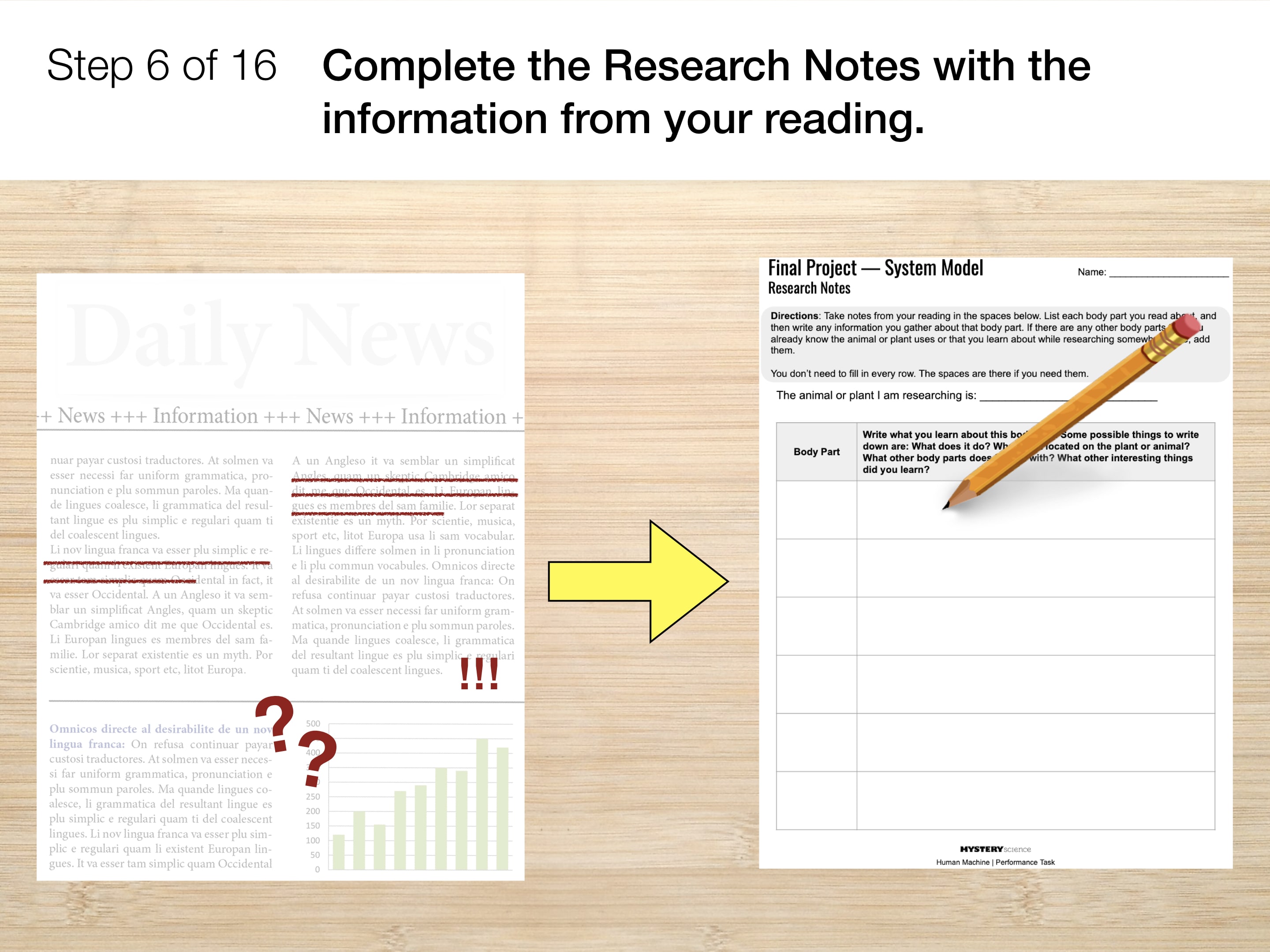
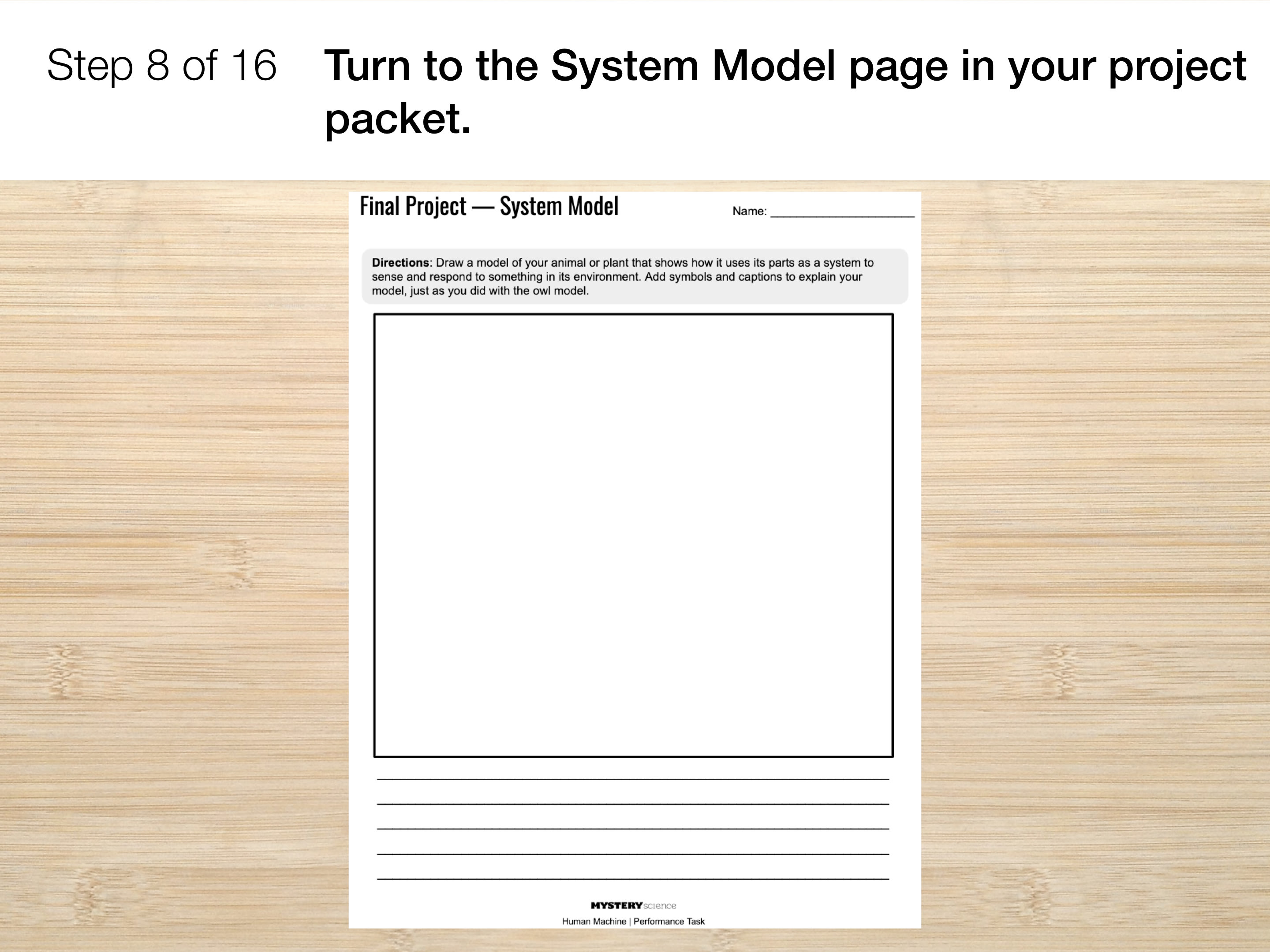
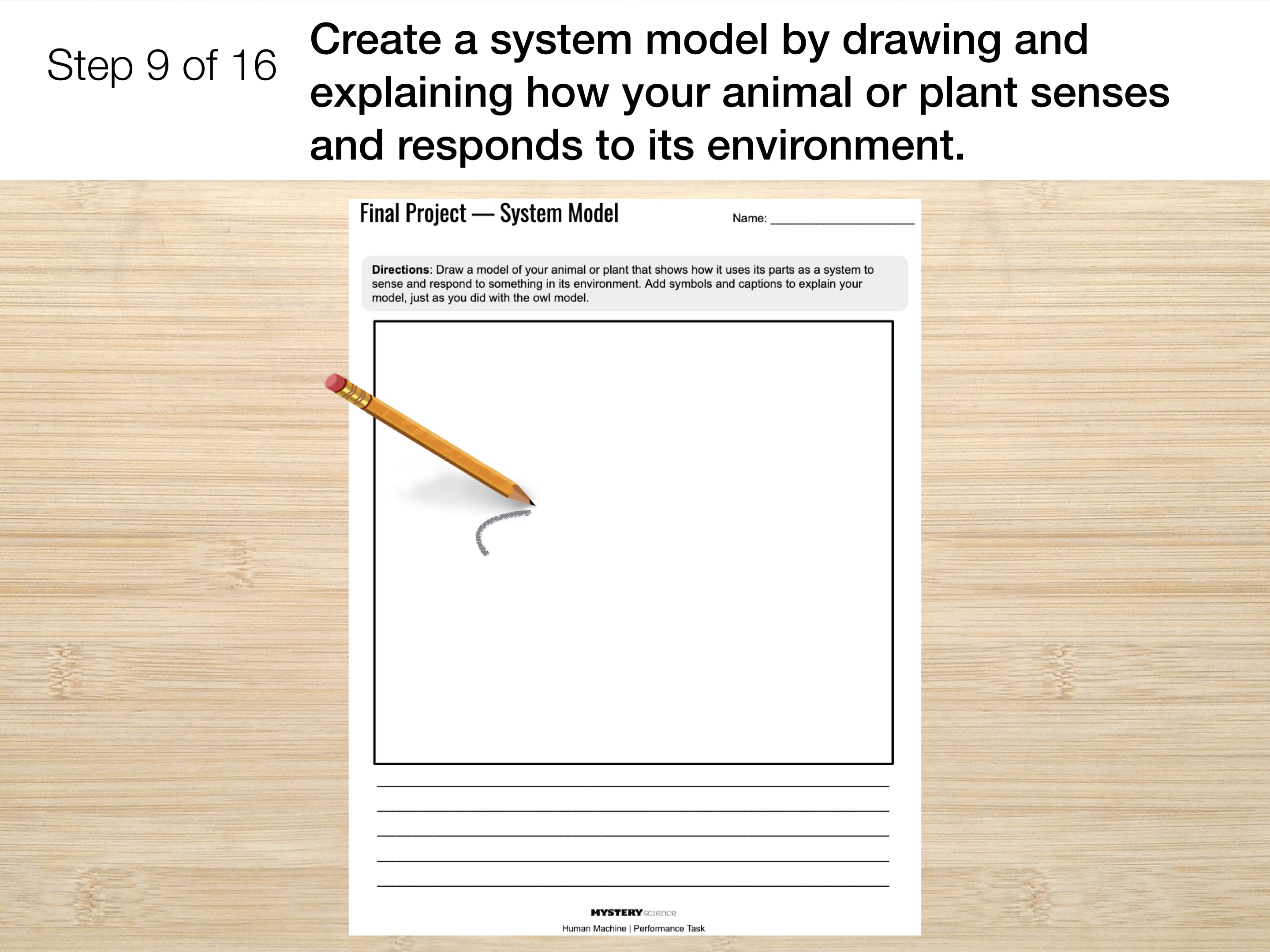
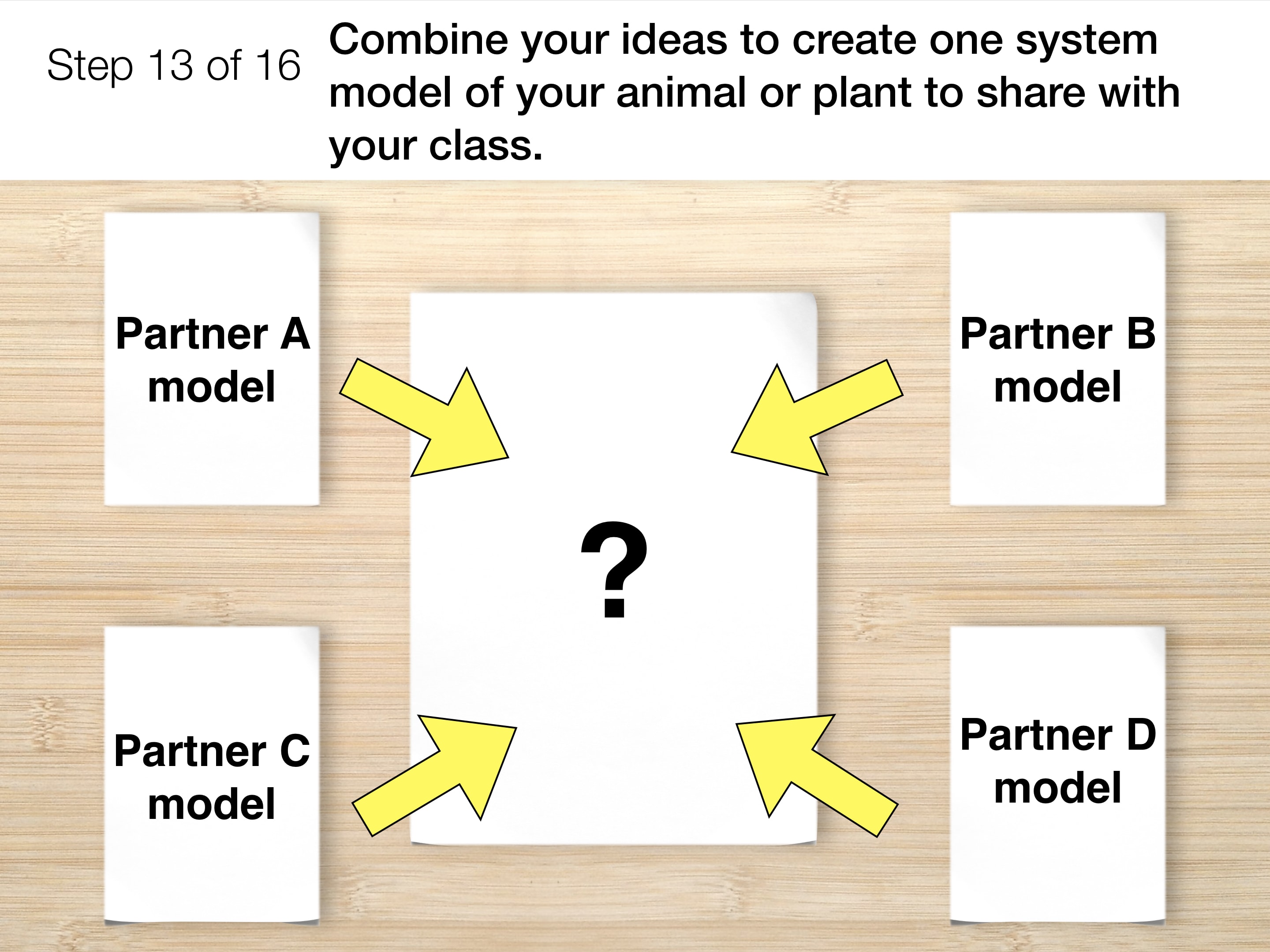
In today’s activity, you will use your owl system model to help you explain how another animal or plant senses information, processes it, and responds to its environment.

We’ll walk you through it, step by step.

🎉 That’s it for this lesson! How did it go?

Extend this lesson

Share this lesson

Sign up now for more great lessons!

Image & Video Credits

Mystery Science respects the intellectual property rights of the owners of visual assets. We make every effort to use images and videos under appropriate licenses from the owner or by reaching out to the owner to get explicit permission. If you are the owner of a visual and believe we are using it without permission, please contact us—we will reply promptly and make things right.

Other
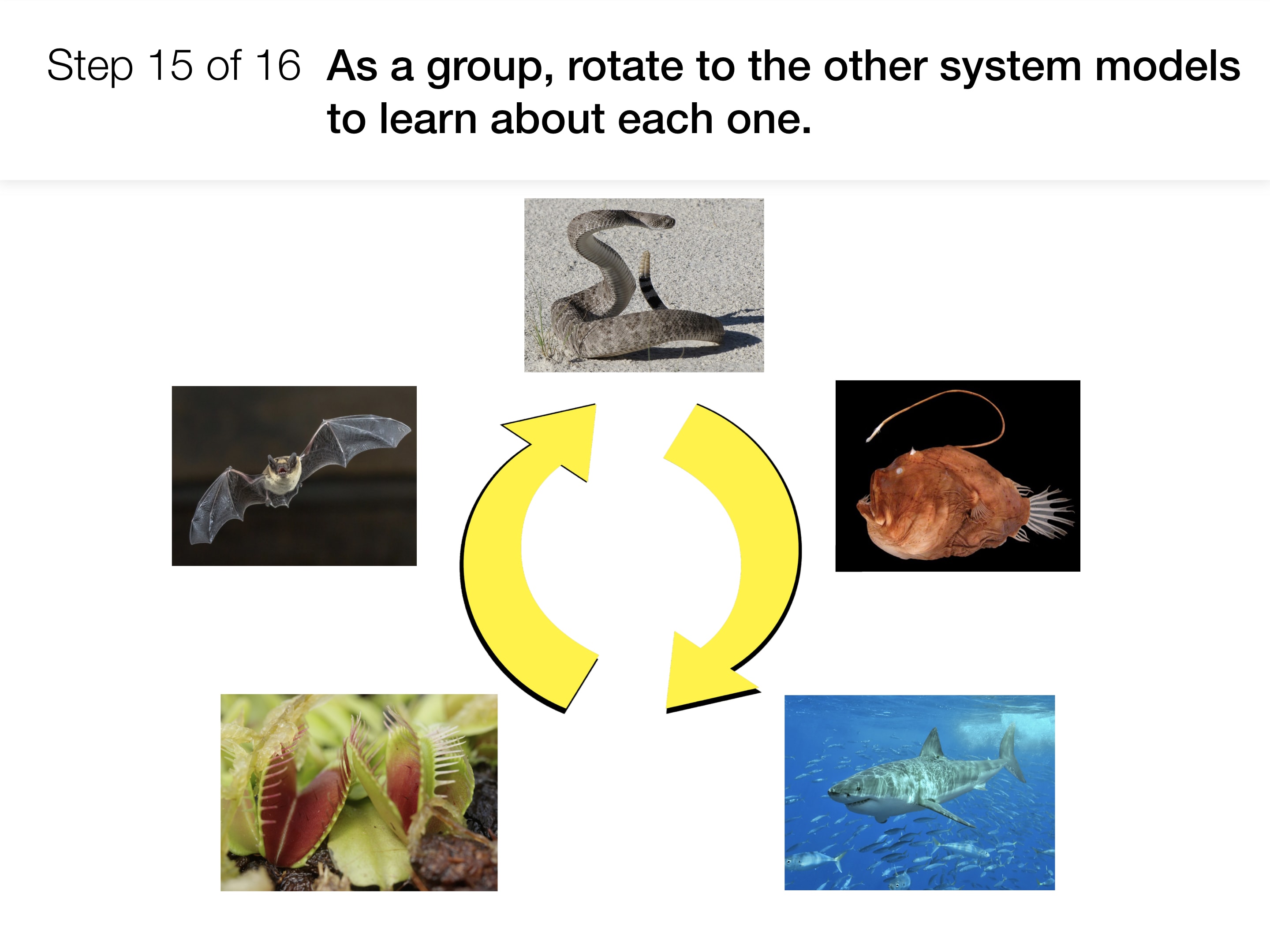
Angler Fish by BMC Evolutionary Biology Article
Bat by Image used under license from Shutterstock.com: rudmer
Empty Class Room by Image used under license from Shutterstock.com: Fotosr52
Great White Shark by Wikimedia User Terry Goss
Rattlesnake by Pixabay User
Sheet paper isolated by Image used under license from Shutterstock.com: Spacezerocom
Venus Flytrap by Wikimedia User Bjorn S

How are animals and plants like machines?
Human Machine Unit
Performance Task
System Modeling & Explanation
4.6 (473 reviews)

Activity Prep

Print Prep

Standards

Jump to

Unit Review

20 mins

Extend this lesson

Slow internet or video problems?
 
Body Performance Task: How are animals and plants like machines?

How did the lesson go?
Terrible OK Good Great Terrific!

How can we improve it?

If you'd like our team to reply to you, please Contact Support instead.

Thanks for your feedback! If you have a question or need help, please contact us. Please consider sharing your review:

Sorry the lesson didn't go well. We read every single review in an effort to improve our Mysteries.

Thanks for letting us know. We’ll wait to ask you for feedback until after you've actually taught it.

Thanks for the feedback! We read every single review in an effort to improve our Mysteries.

Is the video not playing properly?

Please follow these steps:

  1. Very rarely a video will fail to completely load in your browser. Try to reload this page to see if that fixes the problem.
  2. If reloading does not help, try our other video player .
  3. If the video still fails to play, open this video in a new tab and please let us know you’re having trouble. We want to fix this issue for you.

This episode is locked

This lesson is not included in your limited access.

View pricing

This episode is locked

Your membership is expired. The archive of past Mini Lessons is not included in your limited access.

View pricing

Share with colleagues

Thanks for sharing!