Scroll for prep

Please wait…
This video is having trouble loading. You may have lost your Internet connection.
Step 1: Click to Reload this page
Step 2: Click to
Try our other video player
Step 3: contact support if trouble persists.
Or,
dismiss this message.
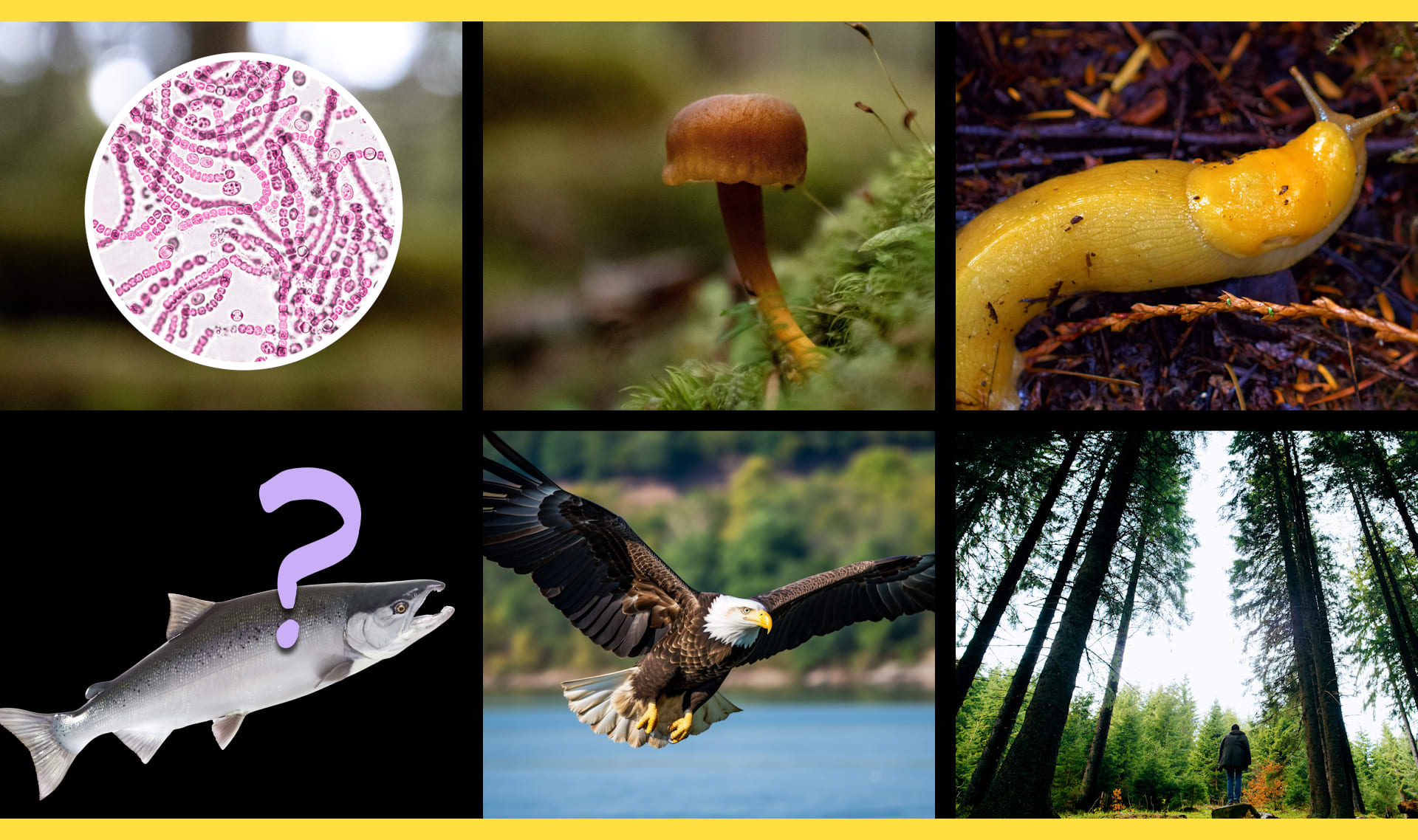
DISCUSS:
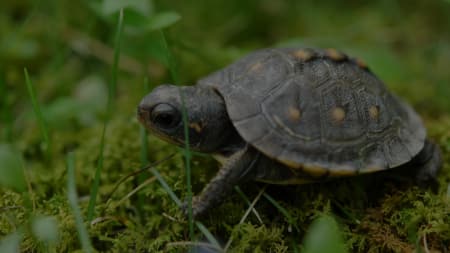
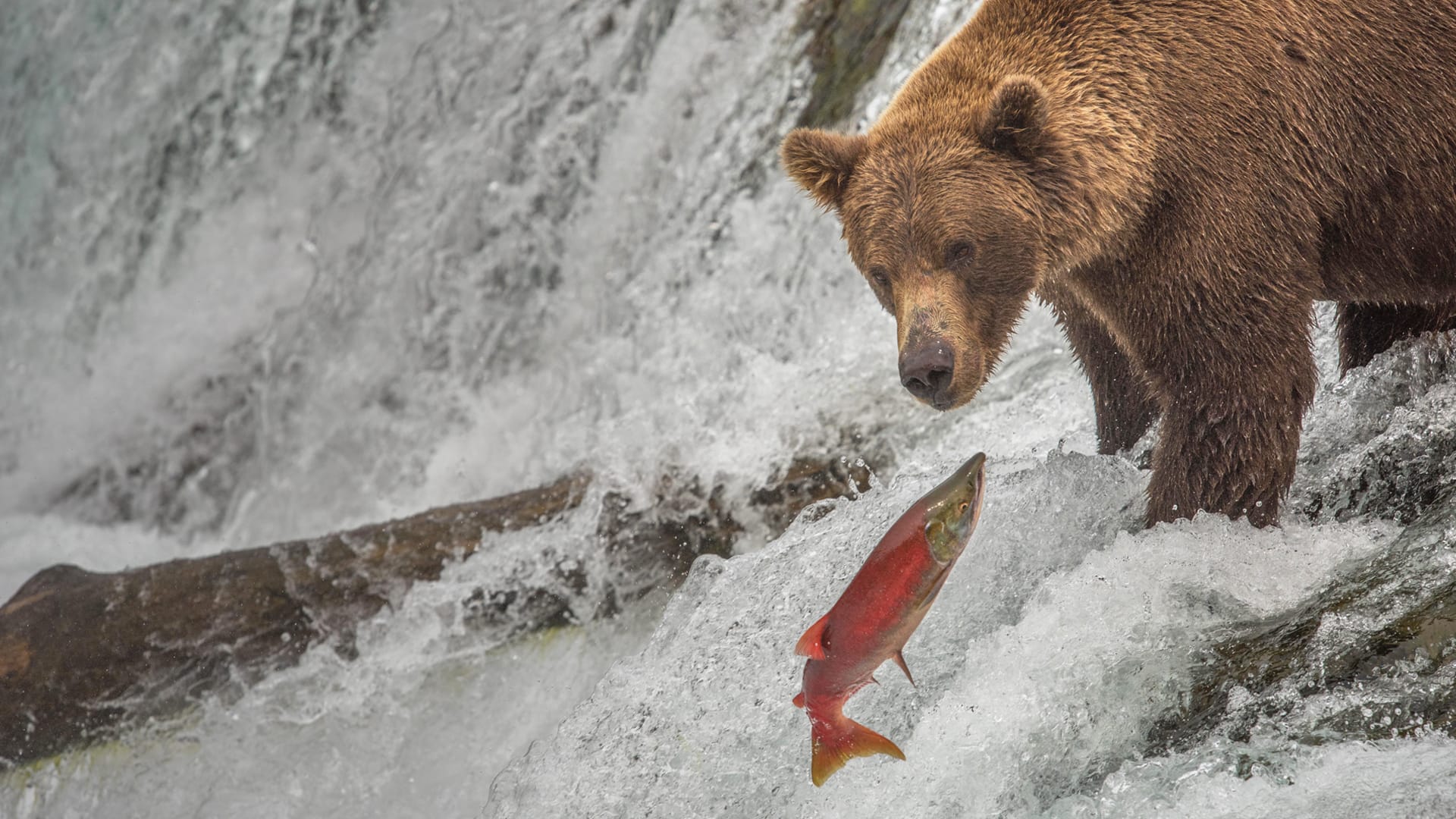
What are some ways these living things might interact with salmon?
What are some ways these living things might interact with salmon?
Please wait…
This video is having trouble loading. You may have lost your Internet connection.
Step 1: Click to Reload this page
Step 2: Click to
Try our other video player
Step 3: contact support if trouble persists.
Or,
dismiss this message.
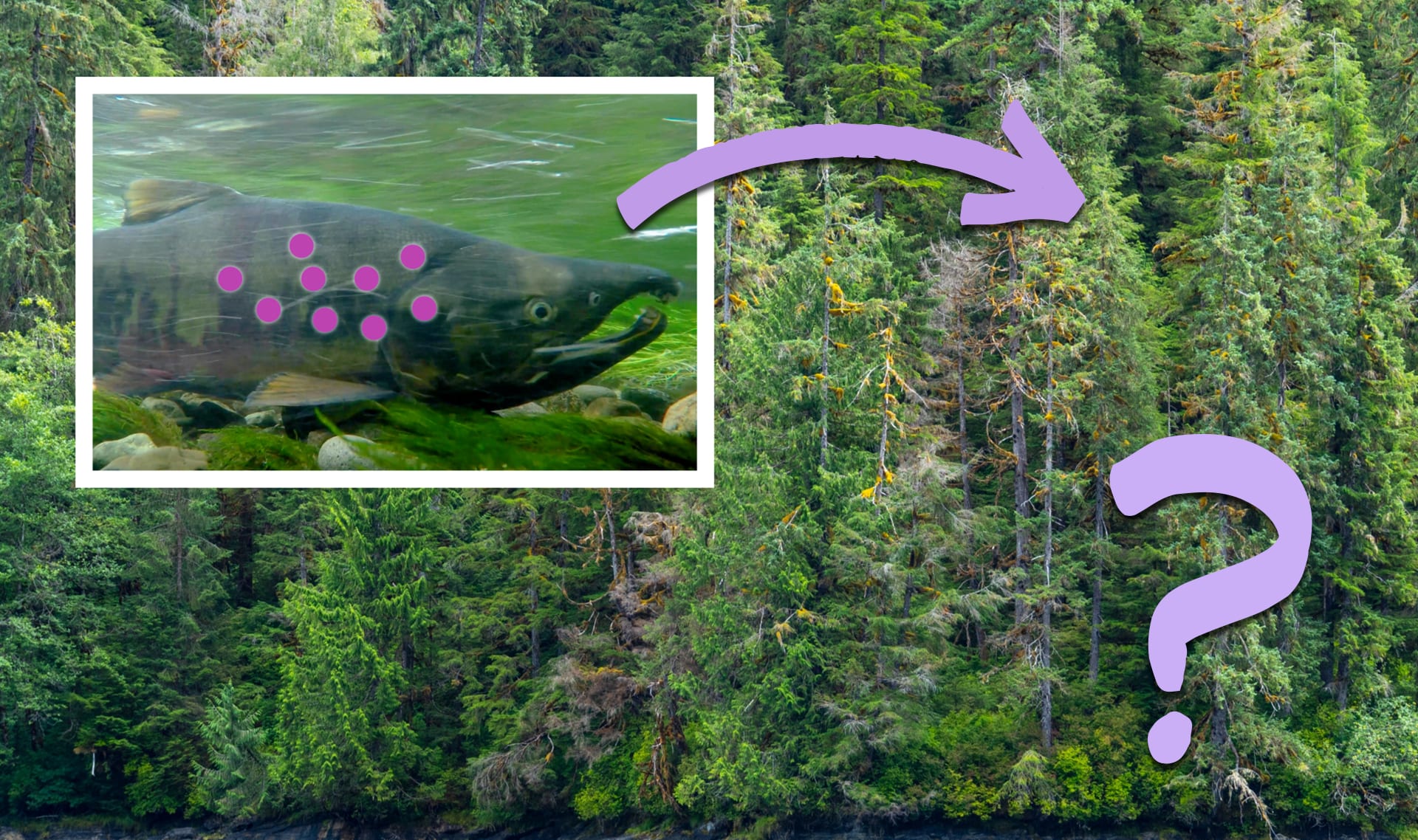
DISCUSS:
What ideas do you have about how matter from a salmon could get to a tree?
What ideas do you have about how matter from a salmon could get to a tree?
Please wait…
This video is having trouble loading. You may have lost your Internet connection.
Step 1: Click to Reload this page
Step 2: Click to
Try our other video player
Step 3: contact support if trouble persists.
Or,
dismiss this message.
Please wait…
This video is having trouble loading. You may have lost your Internet connection.
Step 1: Click to Reload this page
Step 2: Click to
Try our other video player
Step 3: contact support if trouble persists.
Or,
dismiss this message.
Step
01/20
01/20
You’ll work with a partner.
Please wait…
This video is having trouble loading. You may have lost your Internet connection.
Step 1: Click to Reload this page
Step 2: Click to
Try our other video player
Step 3: contact support if trouble persists.
Or,
dismiss this message.
Step
02/20
02/20
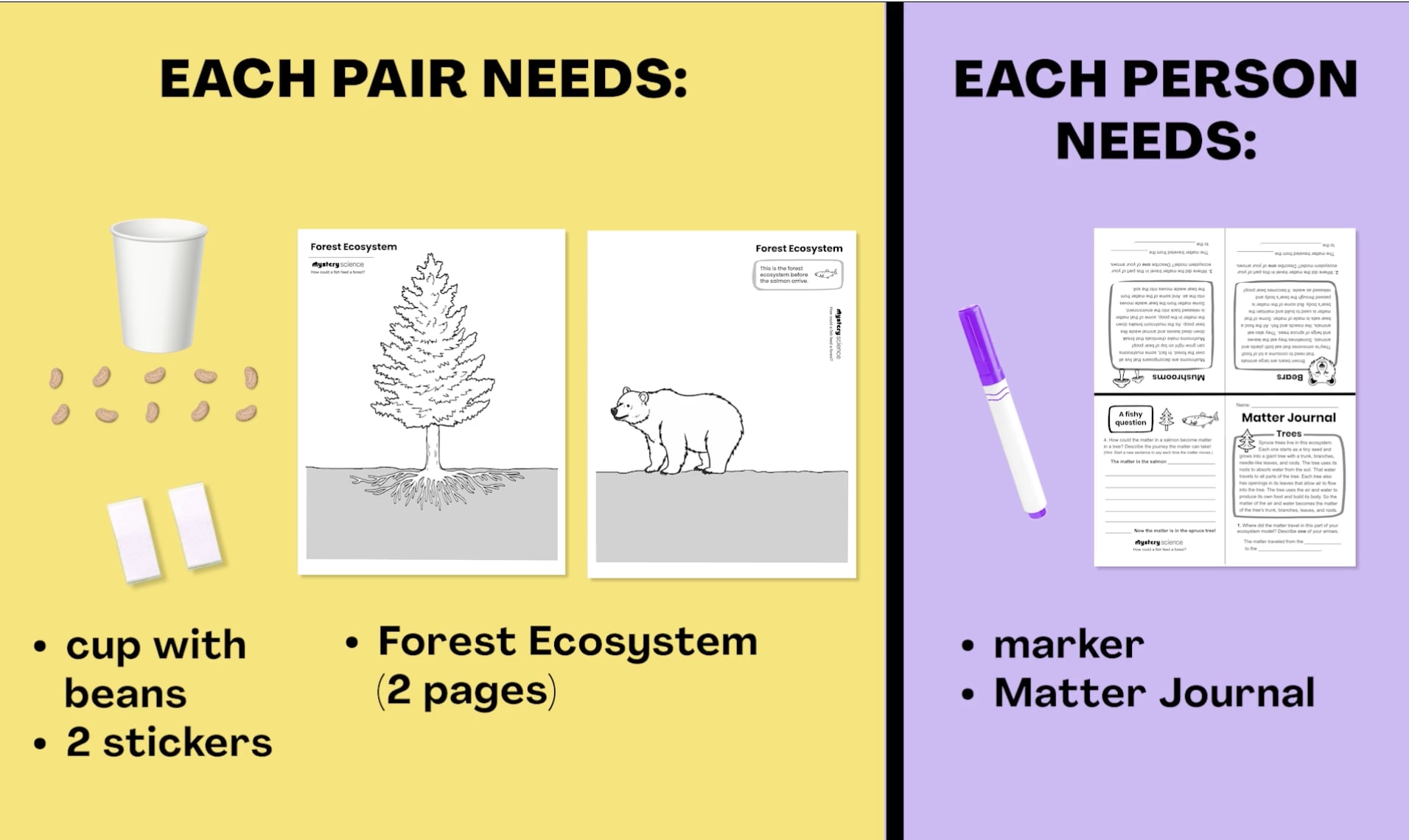
Get your supplies.
Please wait…
This video is having trouble loading. You may have lost your Internet connection.
Step 1: Click to Reload this page
Step 2: Click to
Try our other video player
Step 3: contact support if trouble persists.
Or,
dismiss this message.
Step
03/20
03/20
Make your Matter Journal.
First, fold along the thick black line.
Then, fold along the thin black line.
First, fold along the thick black line.
Then, fold along the thin black line.
Please wait…
This video is having trouble loading. You may have lost your Internet connection.
Step 1: Click to Reload this page
Step 2: Click to
Try our other video player
Step 3: contact support if trouble persists.
Or,
dismiss this message.
Step
04/20
04/20
Lay out your Forest Ecosystem pages. Make sure they look like this,
with the tree on the left and the bear on the right. Then, use a sticker
at the top and a sticker at the bottom to connect the pages.
with the tree on the left and the bear on the right. Then, use a sticker
at the top and a sticker at the bottom to connect the pages.
Please wait…
This video is having trouble loading. You may have lost your Internet connection.
Step 1: Click to Reload this page
Step 2: Click to
Try our other video player
Step 3: contact support if trouble persists.
Or,
dismiss this message.
Step
05/20
05/20
You’ll use beans as a model for matter. Work with your partner to
add matter pieces to represent the soil, the water in the soil, and
the gasses in the air.
add matter pieces to represent the soil, the water in the soil, and
the gasses in the air.
Please wait…
This video is having trouble loading. You may have lost your Internet connection.
Step 1: Click to Reload this page
Step 2: Click to
Try our other video player
Step 3: contact support if trouble persists.
Or,
dismiss this message.
Step
06/20
06/20
Here’s what our model looks like.
Please wait…
This video is having trouble loading. You may have lost your Internet connection.
Step 1: Click to Reload this page
Step 2: Click to
Try our other video player
Step 3: contact support if trouble persists.
Or,
dismiss this message.
Step
07/20
07/20
Read the Trees part of the Matter Journal aloud with your partner.
Look for clues about where matter travels. Use your pencil to
underline any clues you find.
Look for clues about where matter travels. Use your pencil to
underline any clues you find.
Please wait…
This video is having trouble loading. You may have lost your Internet connection.
Step 1: Click to Reload this page
Step 2: Click to
Try our other video player
Step 3: contact support if trouble persists.
Or,
dismiss this message.
Step
08/20
08/20
With your partner, move the matter pieces to show where the
matter travels on its journey through the ecosystem.
matter travels on its journey through the ecosystem.
Please wait…
This video is having trouble loading. You may have lost your Internet connection.
Step 1: Click to Reload this page
Step 2: Click to
Try our other video player
Step 3: contact support if trouble persists.
Or,
dismiss this message.
Step
09/20
09/20
Use your marker to show the path that you just moved the matter
pieces.
pieces.
Please wait…
This video is having trouble loading. You may have lost your Internet connection.
Step 1: Click to Reload this page
Step 2: Click to
Try our other video player
Step 3: contact support if trouble persists.
Or,
dismiss this message.
Step
10/20
10/20
Here’s what our model looks like.
Please wait…
This video is having trouble loading. You may have lost your Internet connection.
Step 1: Click to Reload this page
Step 2: Click to
Try our other video player
Step 3: contact support if trouble persists.
Or,
dismiss this message.
Step
11/20
11/20
Discuss.
Then, record your answer for question 1 on your Matter Journal.
Then, record your answer for question 1 on your Matter Journal.
Please wait…
This video is having trouble loading. You may have lost your Internet connection.
Step 1: Click to Reload this page
Step 2: Click to
Try our other video player
Step 3: contact support if trouble persists.
Or,
dismiss this message.
Step
12/20
12/20
Open your Journal and read the Bears paragraph aloud with your
partner to find clues about where matter travels. Look for clues
about where matter travels. Use your pencil to underline those clues.
partner to find clues about where matter travels. Look for clues
about where matter travels. Use your pencil to underline those clues.
Please wait…
This video is having trouble loading. You may have lost your Internet connection.
Step 1: Click to Reload this page
Step 2: Click to
Try our other video player
Step 3: contact support if trouble persists.
Or,
dismiss this message.
Step
13/20
13/20
With your partner, first DRAW any parts that are missing from your
forest ecosystem model. Then, move the matter pieces to show
where matter travels. Draw arrows to show the path.
forest ecosystem model. Then, move the matter pieces to show
where matter travels. Draw arrows to show the path.
Please wait…
This video is having trouble loading. You may have lost your Internet connection.
Step 1: Click to Reload this page
Step 2: Click to
Try our other video player
Step 3: contact support if trouble persists.
Or,
dismiss this message.
Step
14a/20
14a/20
Discuss.
Then, record your answer for question 2 on your Matter Journal.
Then, record your answer for question 2 on your Matter Journal.
Please wait…
This video is having trouble loading. You may have lost your Internet connection.
Step 1: Click to Reload this page
Step 2: Click to
Try our other video player
Step 3: contact support if trouble persists.
Or,
dismiss this message.
Step
14b/20
14b/20
Here’s what our model looked like.
Please wait…
This video is having trouble loading. You may have lost your Internet connection.
Step 1: Click to Reload this page
Step 2: Click to
Try our other video player
Step 3: contact support if trouble persists.
Or,
dismiss this message.
Step
15/20
15/20
Read the Mushrooms paragraph aloud with your partner
to find clues about where matter travels. Look for clues about
where matter travels next. Use your pencil to underline those clues.
to find clues about where matter travels. Look for clues about
where matter travels next. Use your pencil to underline those clues.
Please wait…
This video is having trouble loading. You may have lost your Internet connection.
Step 1: Click to Reload this page
Step 2: Click to
Try our other video player
Step 3: contact support if trouble persists.
Or,
dismiss this message.
Step
16/20
16/20
With your partner, first DRAW any parts that are missing from your
forest ecosystem model. Then, move the matter pieces to show
where matter travels. Draw arrows to show the path.
forest ecosystem model. Then, move the matter pieces to show
where matter travels. Draw arrows to show the path.
Please wait…
This video is having trouble loading. You may have lost your Internet connection.
Step 1: Click to Reload this page
Step 2: Click to
Try our other video player
Step 3: contact support if trouble persists.
Or,
dismiss this message.
Step
17a/20
17a/20
Discuss.
Then, record your answer for question 3 in your Matter Journal.
Then, record your answer for question 3 in your Matter Journal.
Please wait…
This video is having trouble loading. You may have lost your Internet connection.
Step 1: Click to Reload this page
Step 2: Click to
Try our other video player
Step 3: contact support if trouble persists.
Or,
dismiss this message.
Step
17b/20
17b/20
Here’s what our model looked like.
Please wait…
This video is having trouble loading. You may have lost your Internet connection.
Step 1: Click to Reload this page
Step 2: Click to
Try our other video player
Step 3: contact support if trouble persists.
Or,
dismiss this message.
Step
18/20
18/20
Discuss.
Please wait…
This video is having trouble loading. You may have lost your Internet connection.
Step 1: Click to Reload this page
Step 2: Click to
Try our other video player
Step 3: contact support if trouble persists.
Or,
dismiss this message.
Step
19/20
19/20
Work with your partner to move the matter pieces back to the
trees. Add arrows to show the path of the matter.
trees. Add arrows to show the path of the matter.
Please wait…
This video is having trouble loading. You may have lost your Internet connection.
Step 1: Click to Reload this page
Step 2: Click to
Try our other video player
Step 3: contact support if trouble persists.
Or,
dismiss this message.
Step
20/20
20/20
Put all your matter pieces back into the cup.
Discuss with your partner. Then, record your answer to
question 4 on the back of your Matter Journal.
Discuss with your partner. Then, record your answer to
question 4 on the back of your Matter Journal.
Please wait…
This video is having trouble loading. You may have lost your Internet connection.
Step 1: Click to Reload this page
Step 2: Click to
Try our other video player
Step 3: contact support if trouble persists.
Or,
dismiss this message.
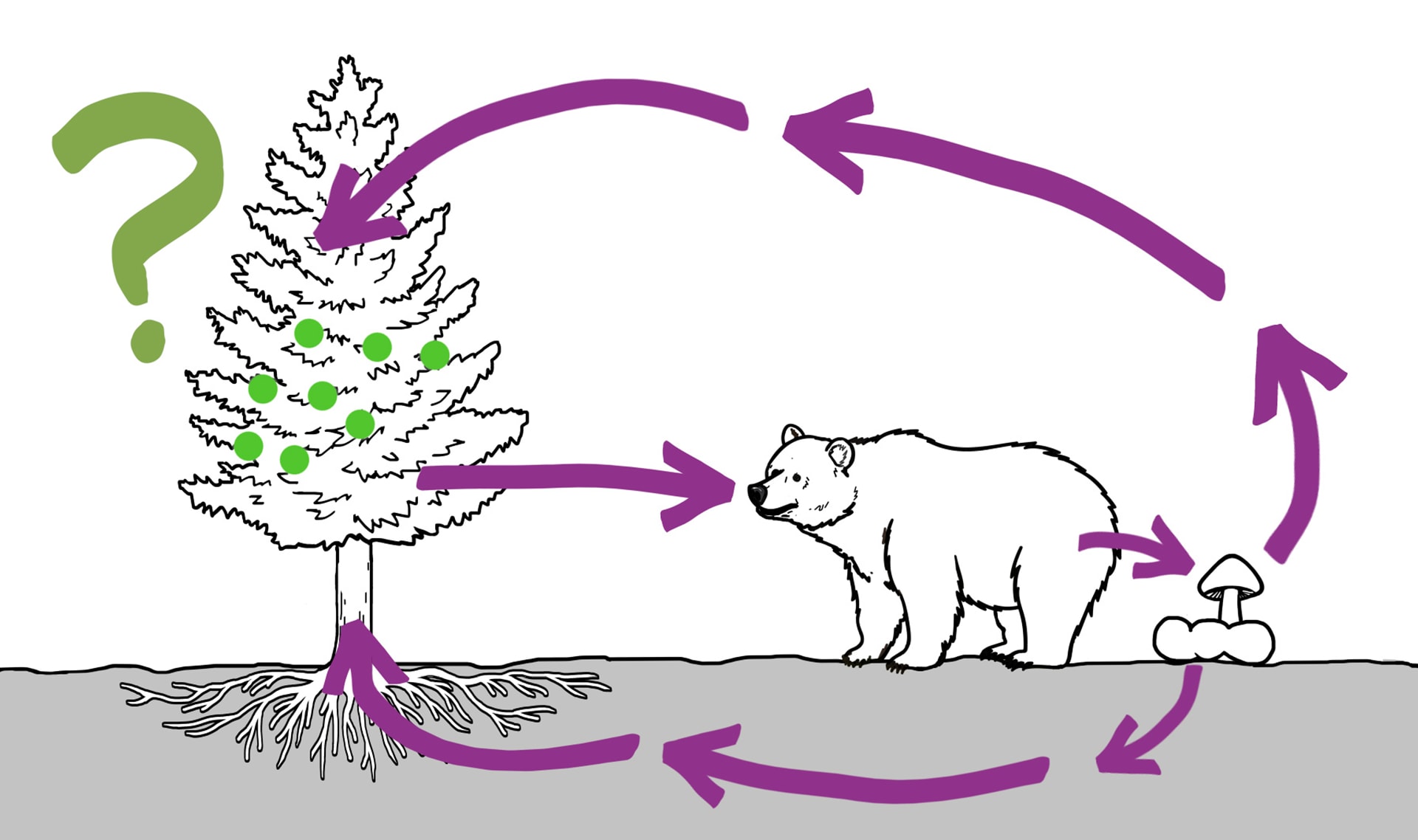
DISCUSS:
Where could the carbon that’s part of the tree move next?
Where could the carbon that’s part of the tree move next?
Please wait…
This video is having trouble loading. You may have lost your Internet connection.
Step 1: Click to Reload this page
Step 2: Click to
Try our other video player
Step 3: contact support if trouble persists.
Or,
dismiss this message.
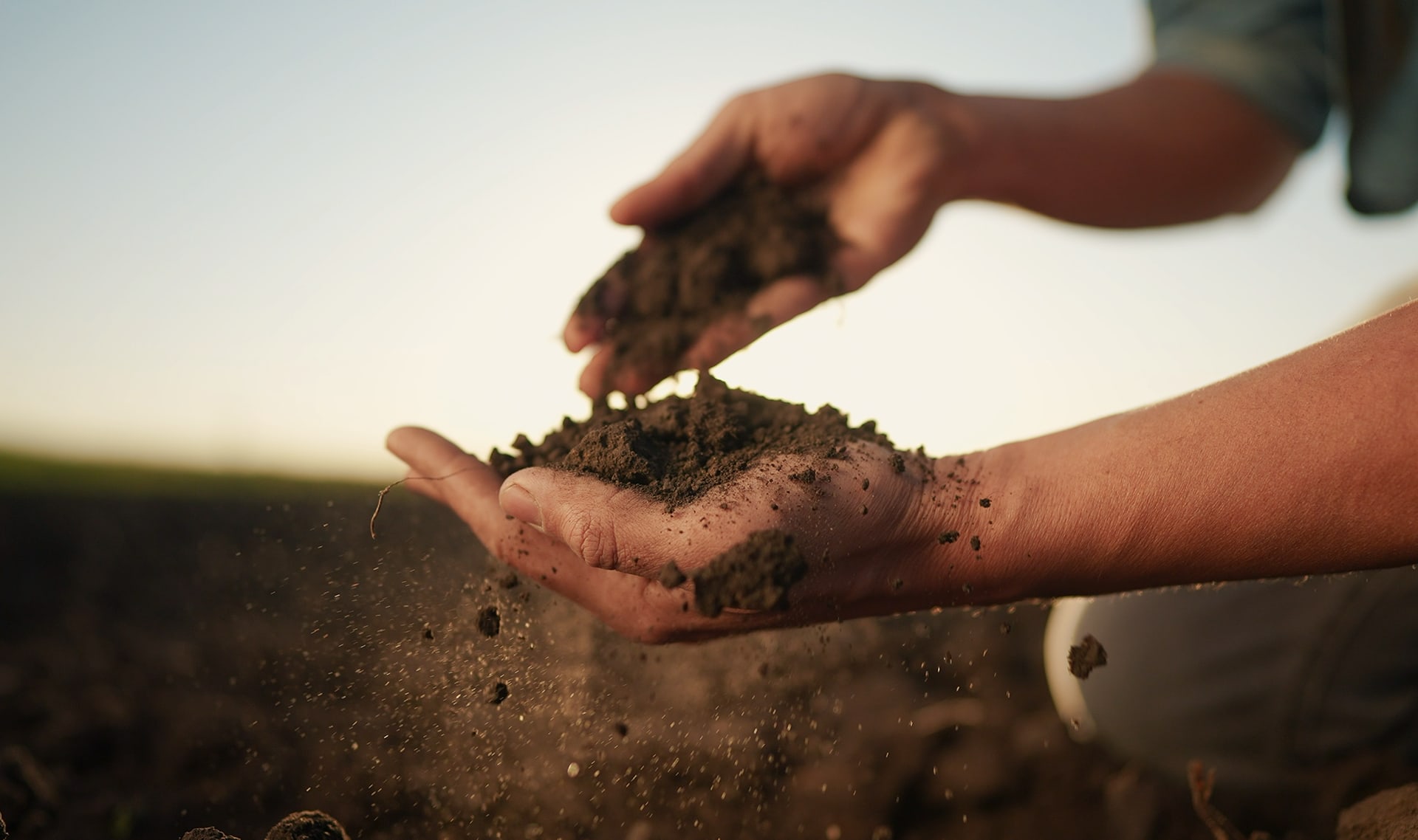
soil
1 of 14
found on the Earth's surface; made of tiny rocks and material from dead plants and animals
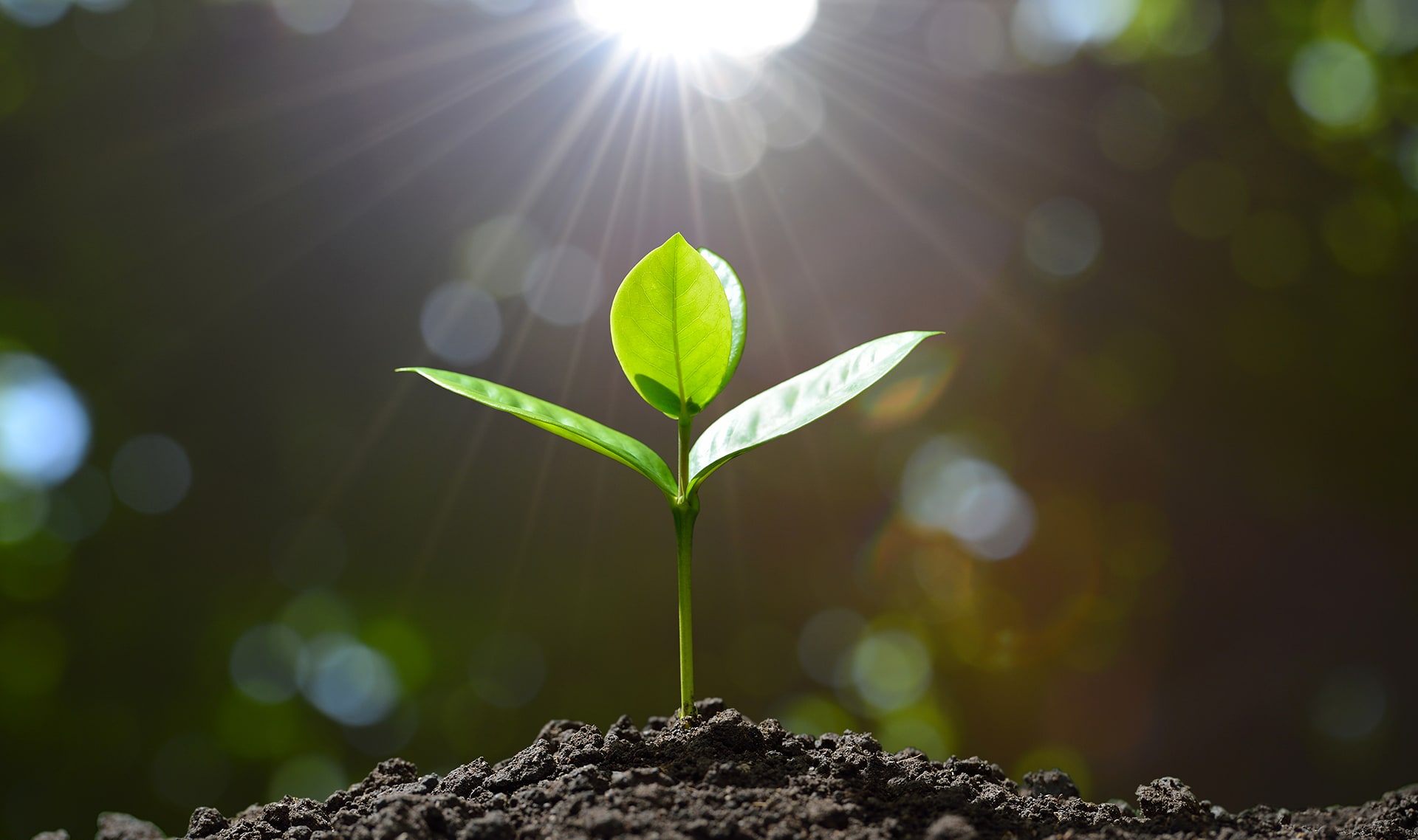
producer
2 of 14
a living thing that makes its own food
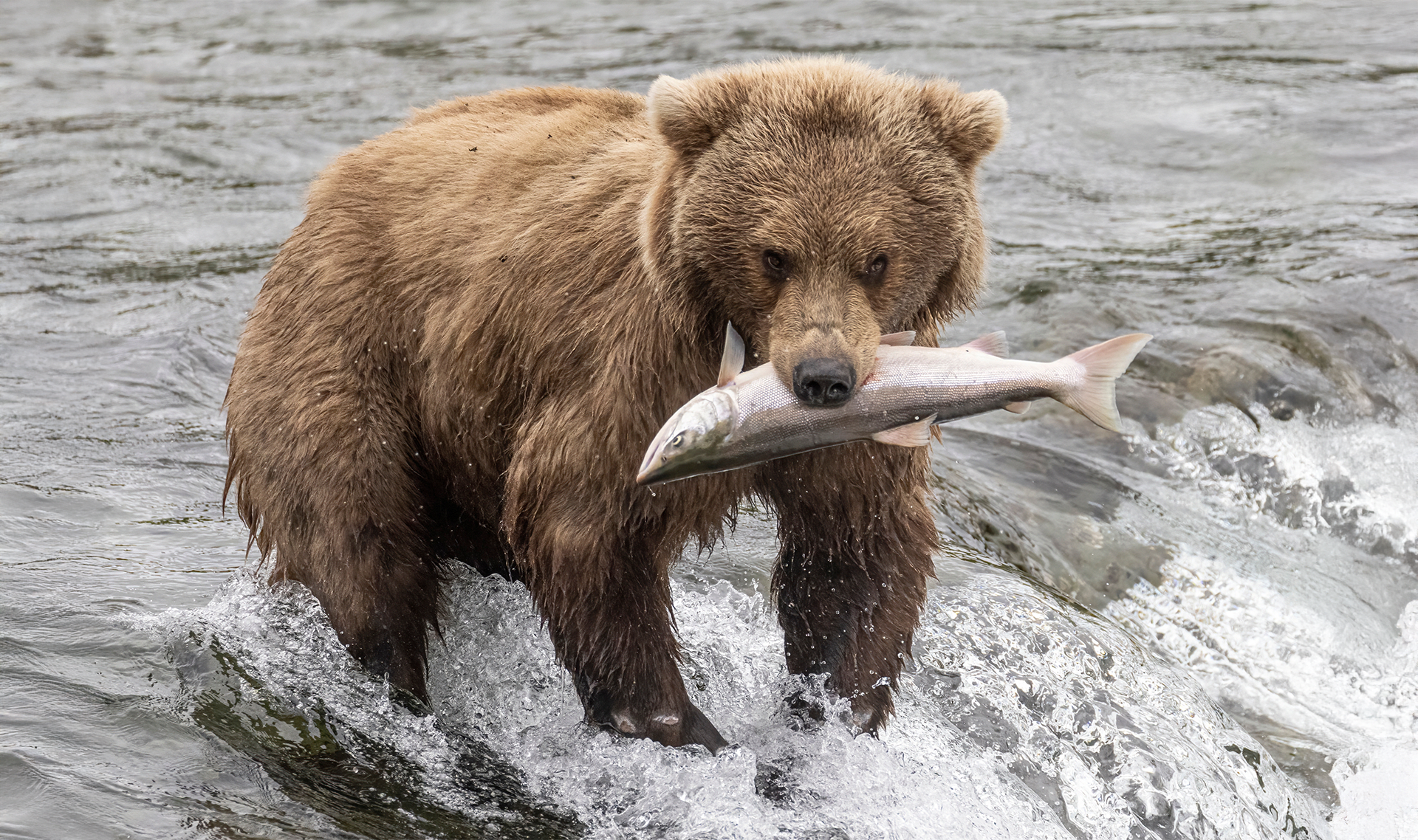
consumer
3 of 14
a living thing that eats other living things
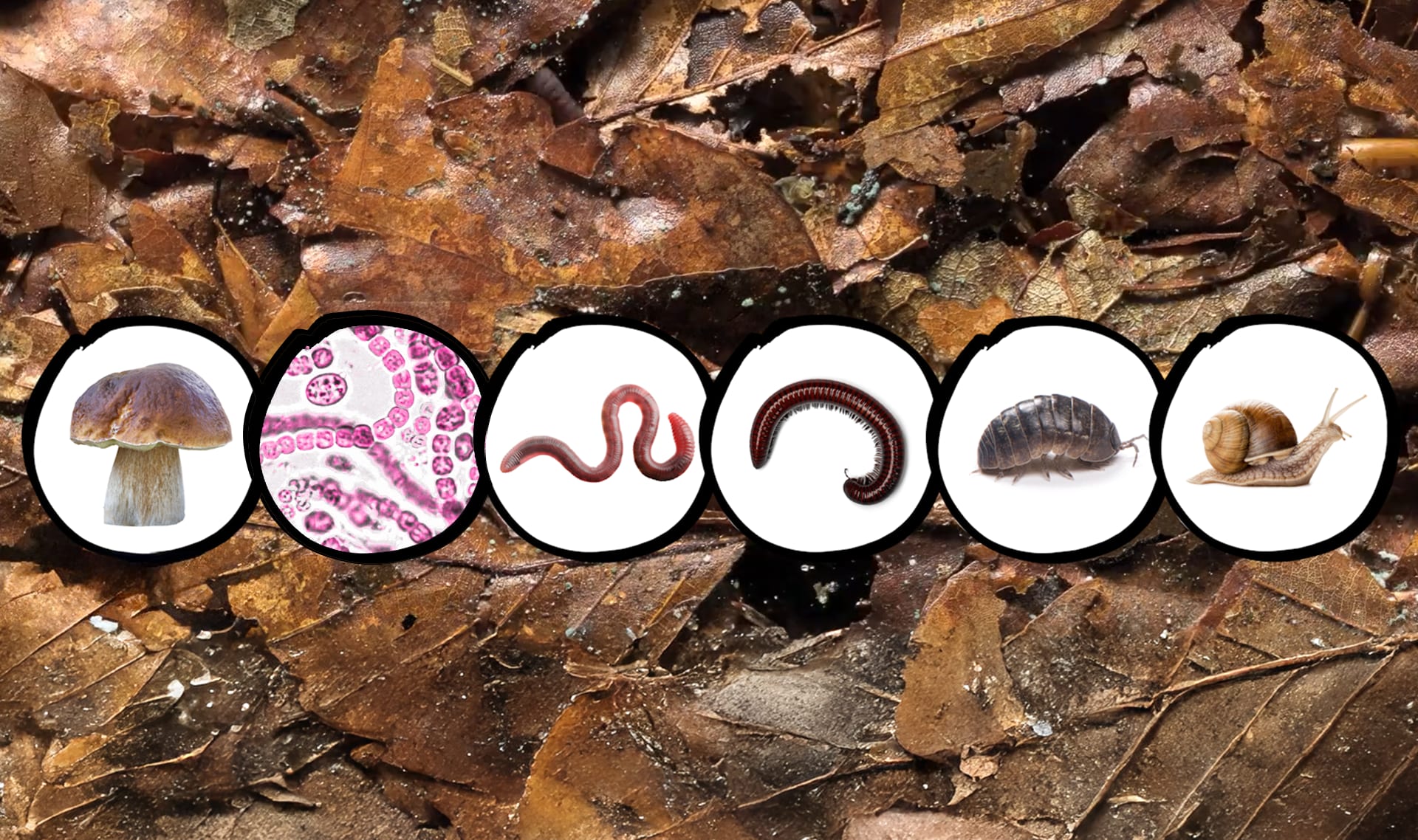
decomposer
4 of 14
a living thing that can break down dead plants, dead animals, or animal waste
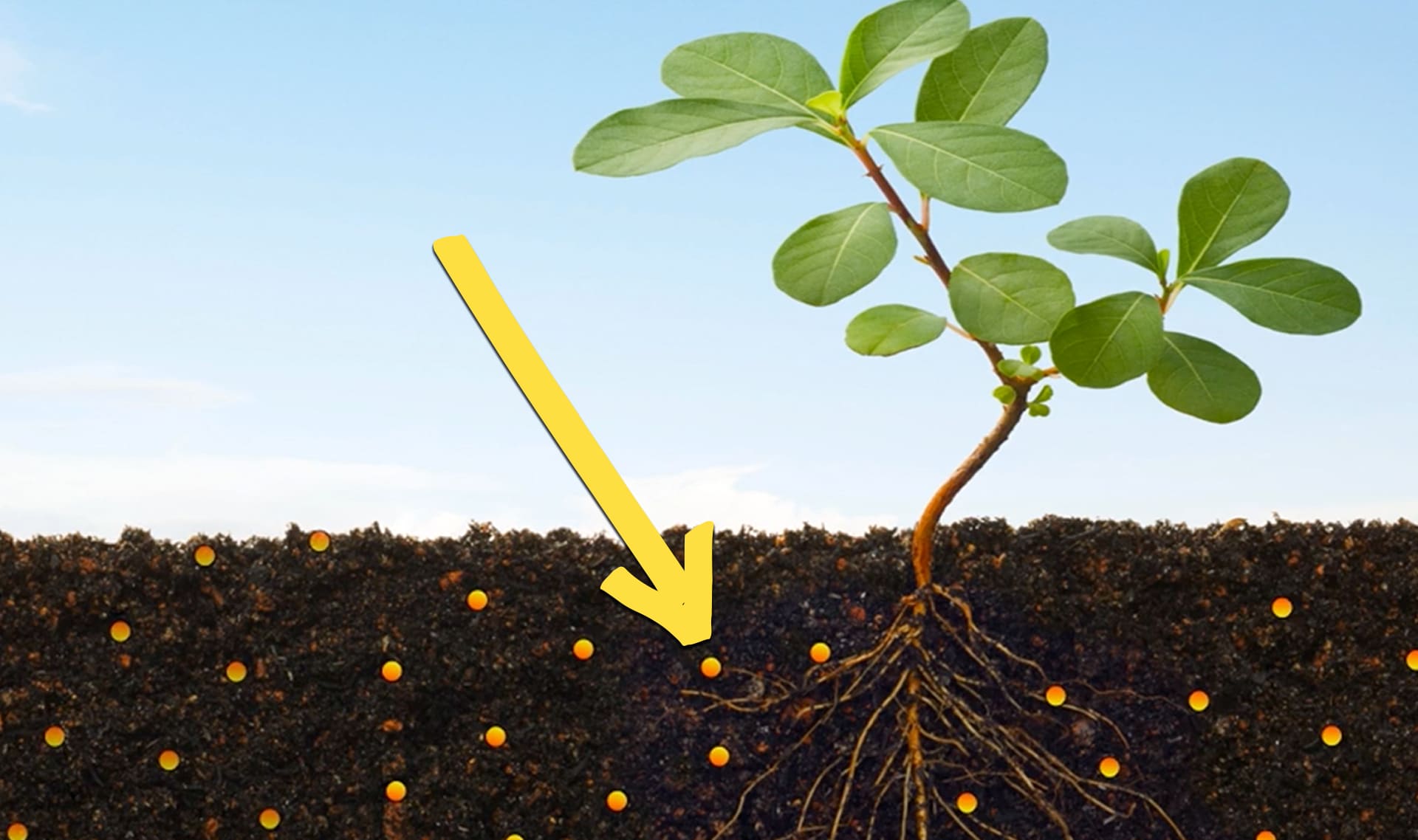
nutrient (micronutrient)
5 of 14
a substance that living things need to grow and stay healthy
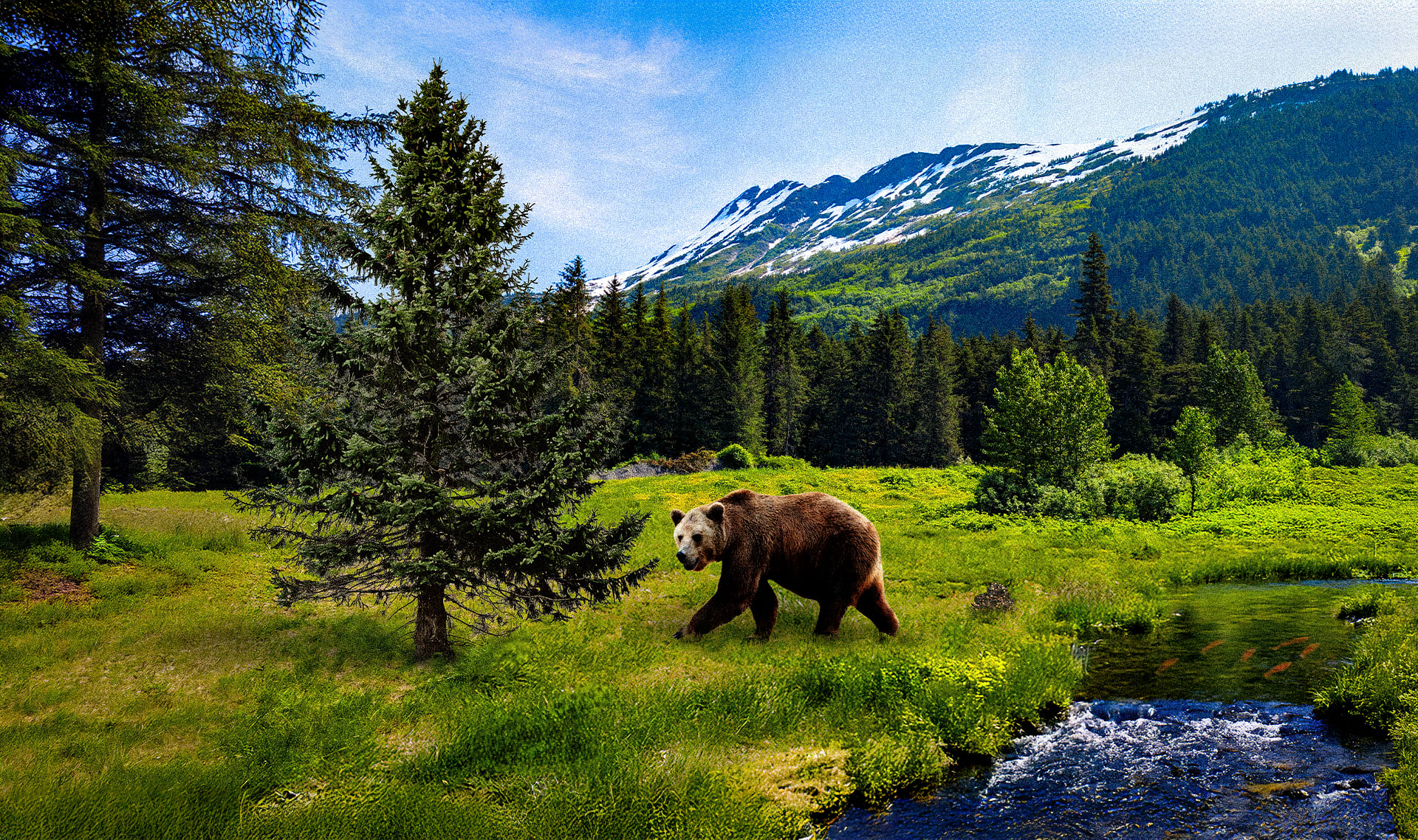
ecosystem
6 of 14
all the living things that interact with each other and their environment in one place
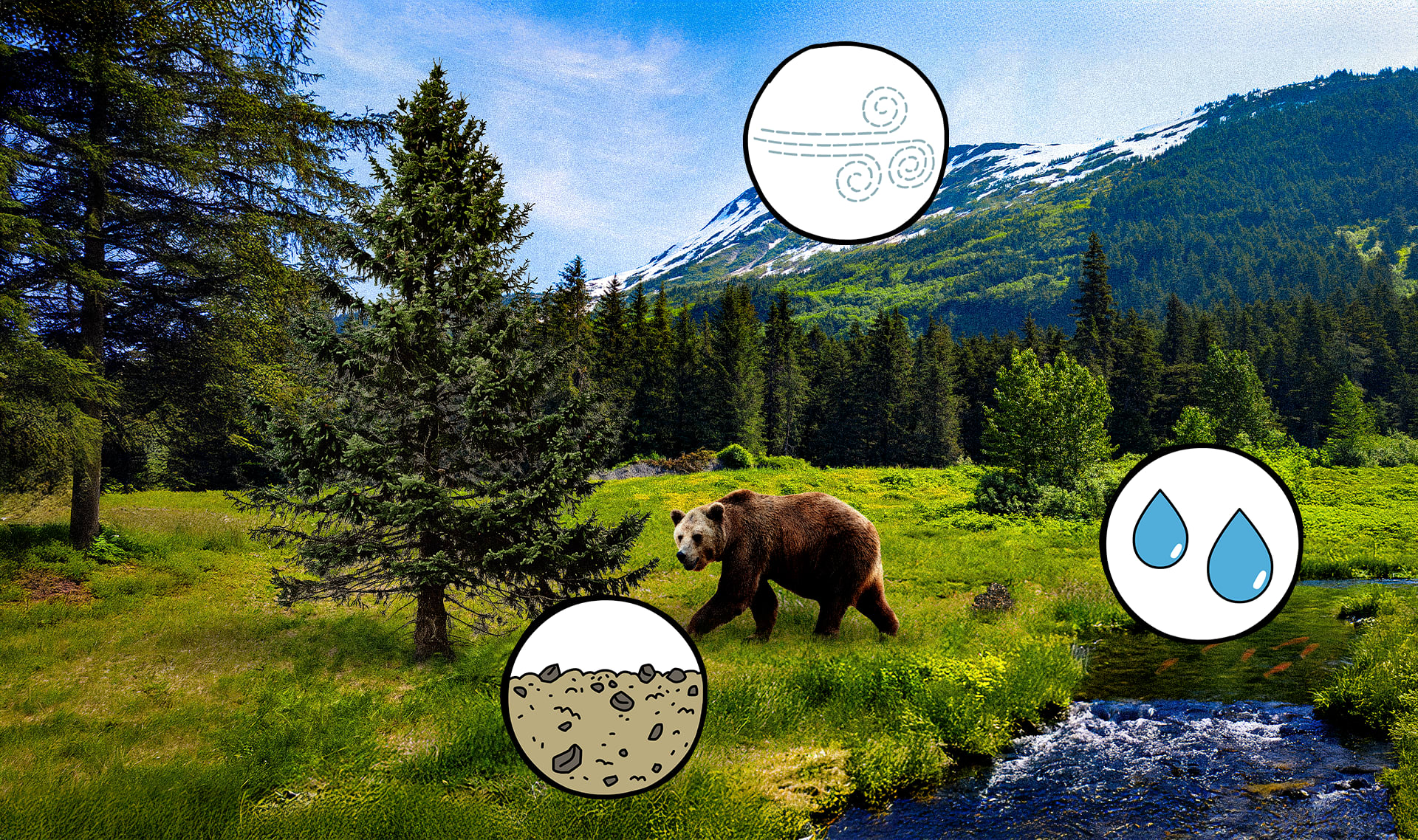
environment
7 of 14
a living thing's surroundings, including other living things and non-living parts like soil, water, and air
Please wait…
This video is having trouble loading. You may have lost your Internet connection.
Step 1: Click to Reload this page
Step 2: Click to
Try our other video player
Step 3: contact support if trouble persists.
Or,
dismiss this message.
matter
8 of 14
anything that takes up space and has weight; can be in different forms such as solid, liquid, or gas

gas
9 of 14
a state of matter, such as carbon dioxide in the air
Please wait…
This video is having trouble loading. You may have lost your Internet connection.
Step 1: Click to Reload this page
Step 2: Click to
Try our other video player
Step 3: contact support if trouble persists.
Or,
dismiss this message.
carbon dioxide
10 of 14
a type of gas that plants are able to take in and that animals release when they breathe
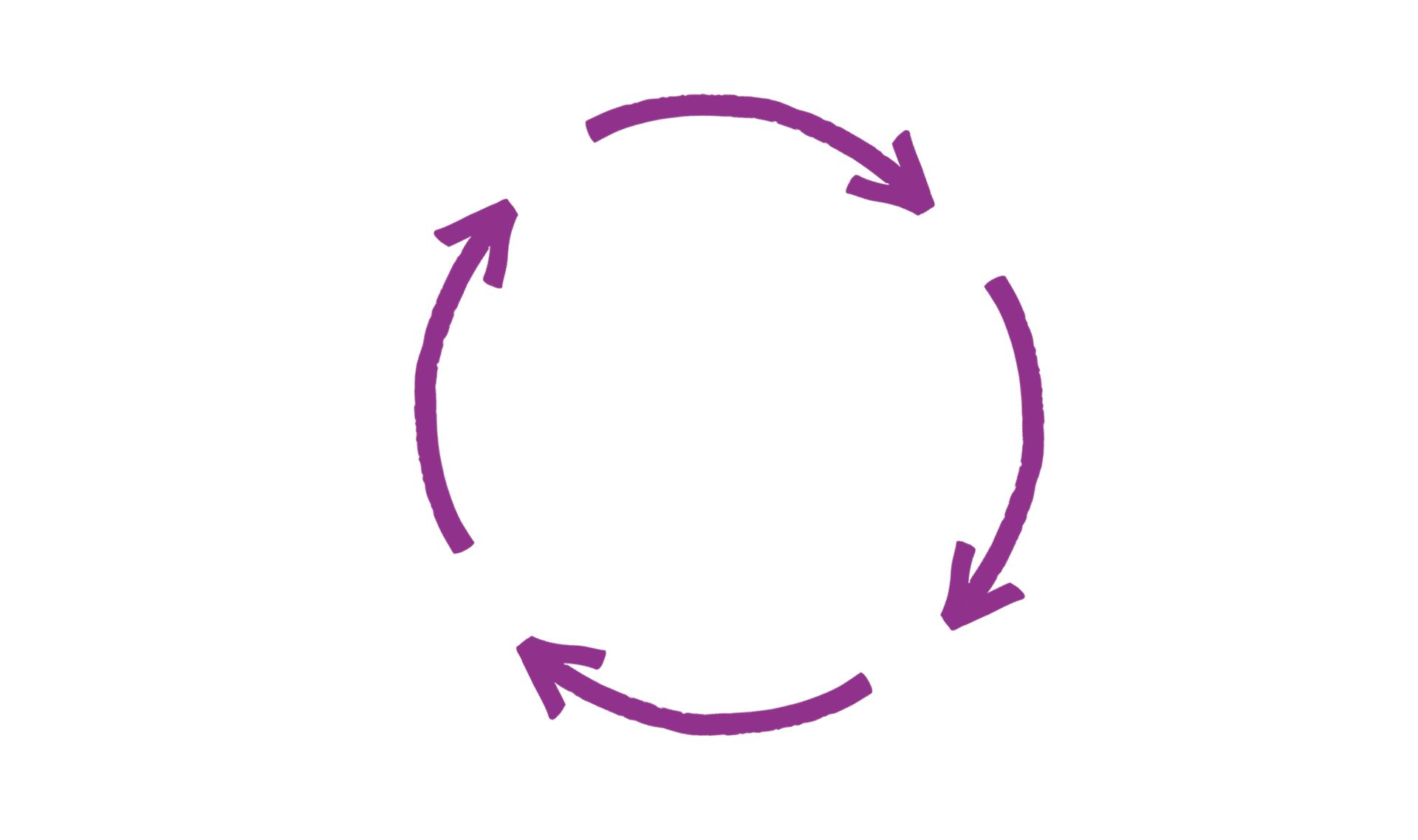
cycle
11 of 14
a set of events that repeats in the same order over and over
Please wait…
This video is having trouble loading. You may have lost your Internet connection.
Step 1: Click to Reload this page
Step 2: Click to
Try our other video player
Step 3: contact support if trouble persists.
Or,
dismiss this message.
matter cycle
12 of 14
the process of matter moving back and forth between non-living and living parts of the environment, like between air and plants
Please wait…
This video is having trouble loading. You may have lost your Internet connection.
Step 1: Click to Reload this page
Step 2: Click to
Try our other video player
Step 3: contact support if trouble persists.
Or,
dismiss this message.
carbon cycle
13 of 14
the process of carbon moving back and forth between non-living and living parts of the environment, like carbon dioxide moving into plants
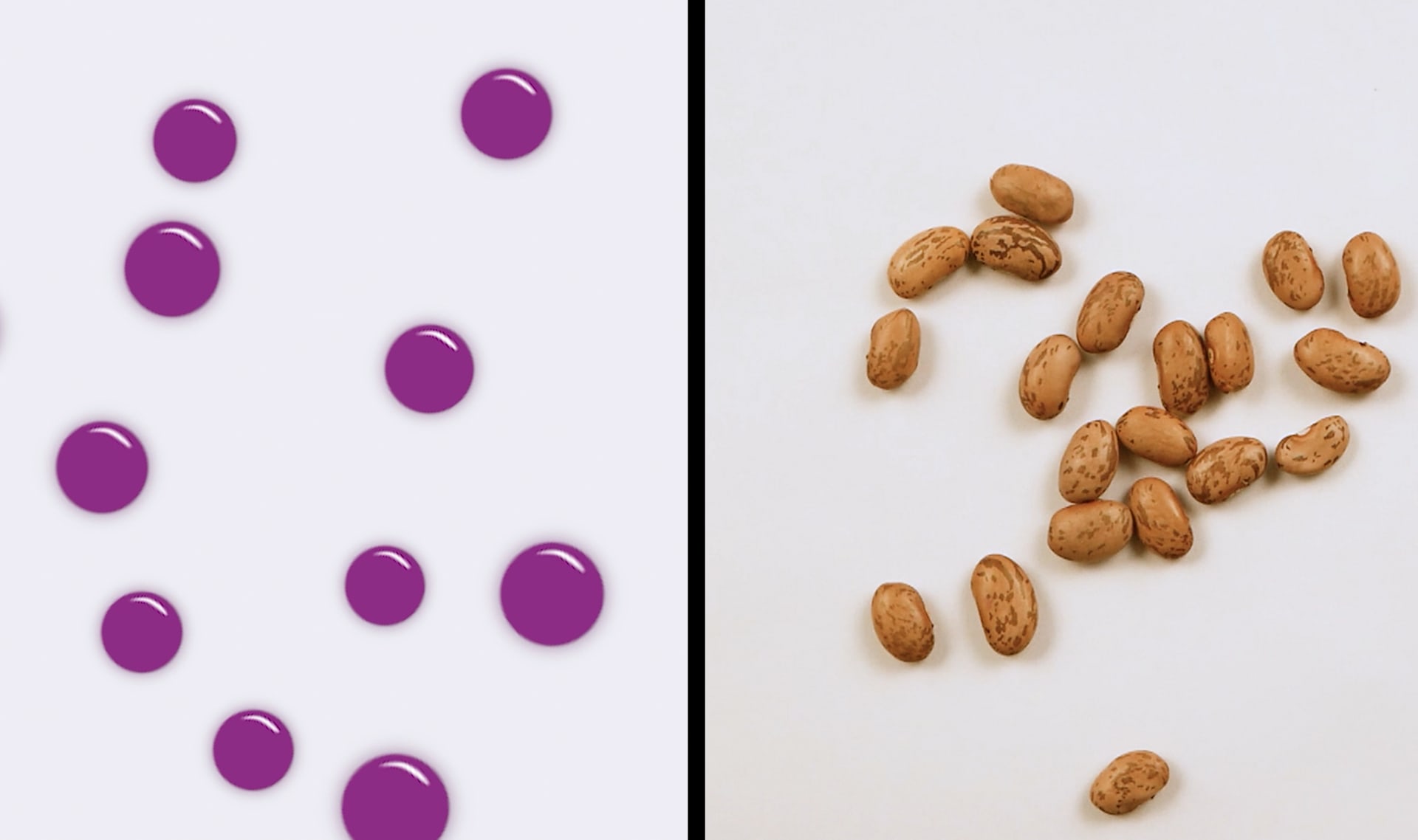
model
14 of 14
a pretend version of something that scientists use when the real thing is too big, small, or complicated to work with
🎉
That’s it for this lesson! How did it go?
Sign up now for more great lessons!