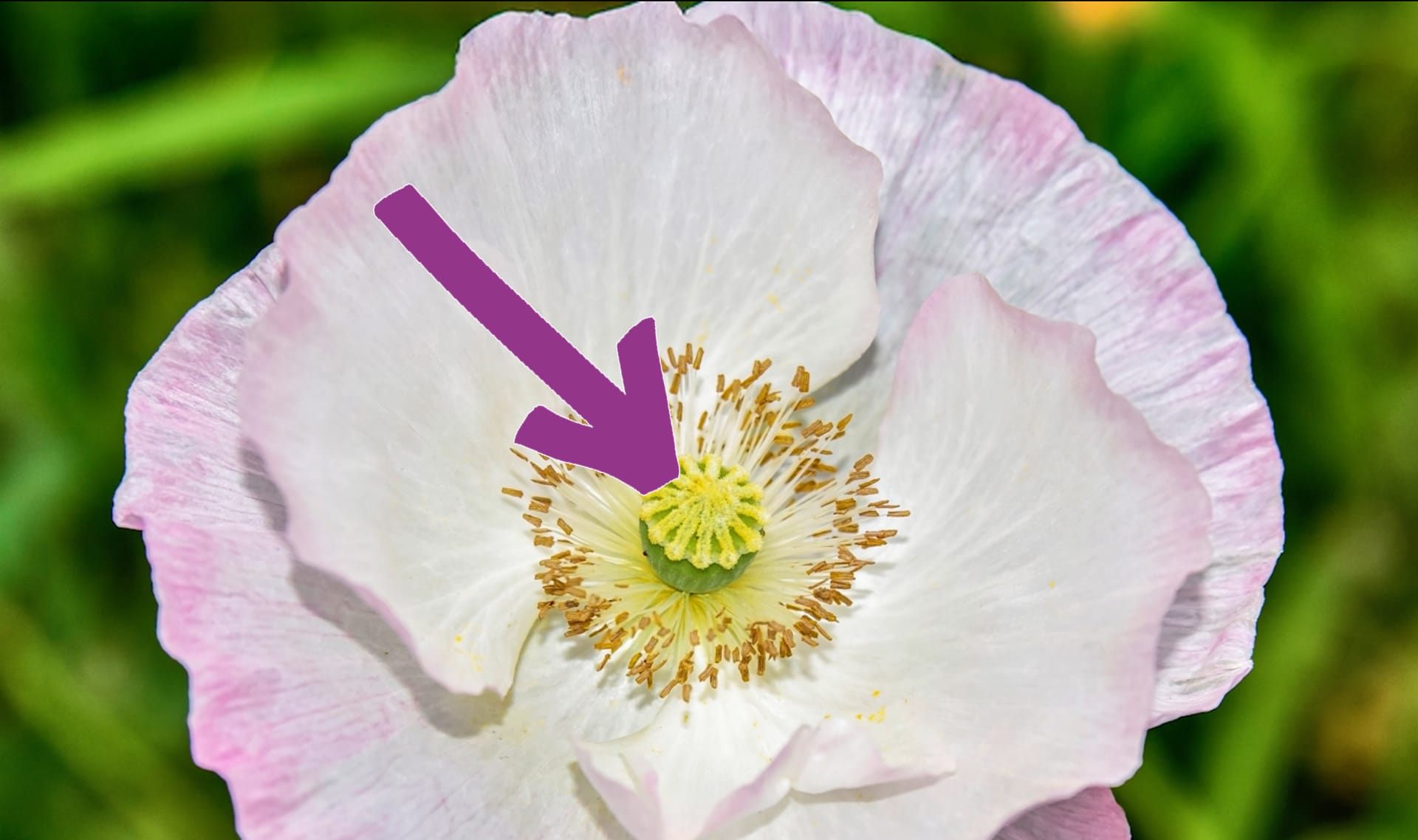
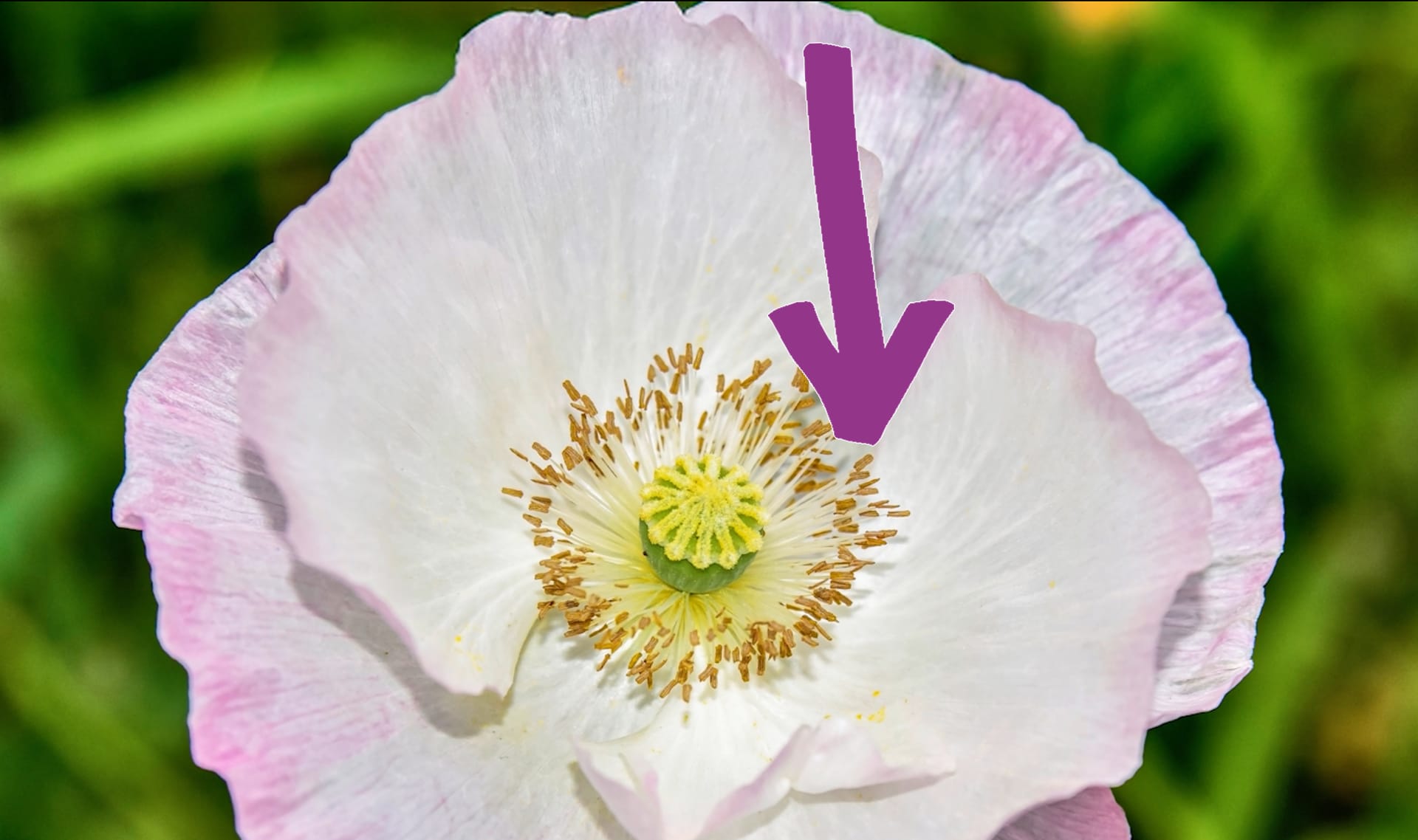
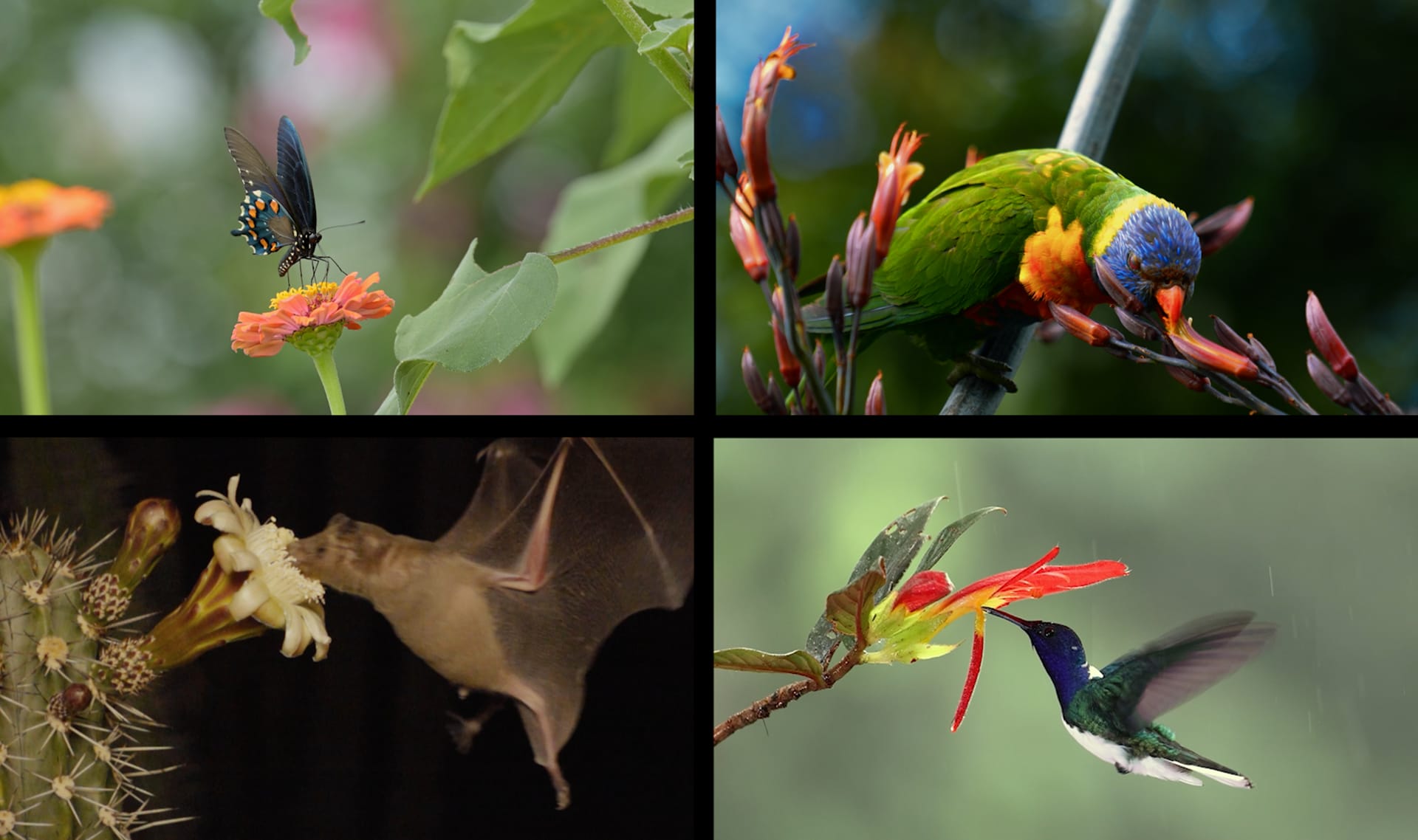
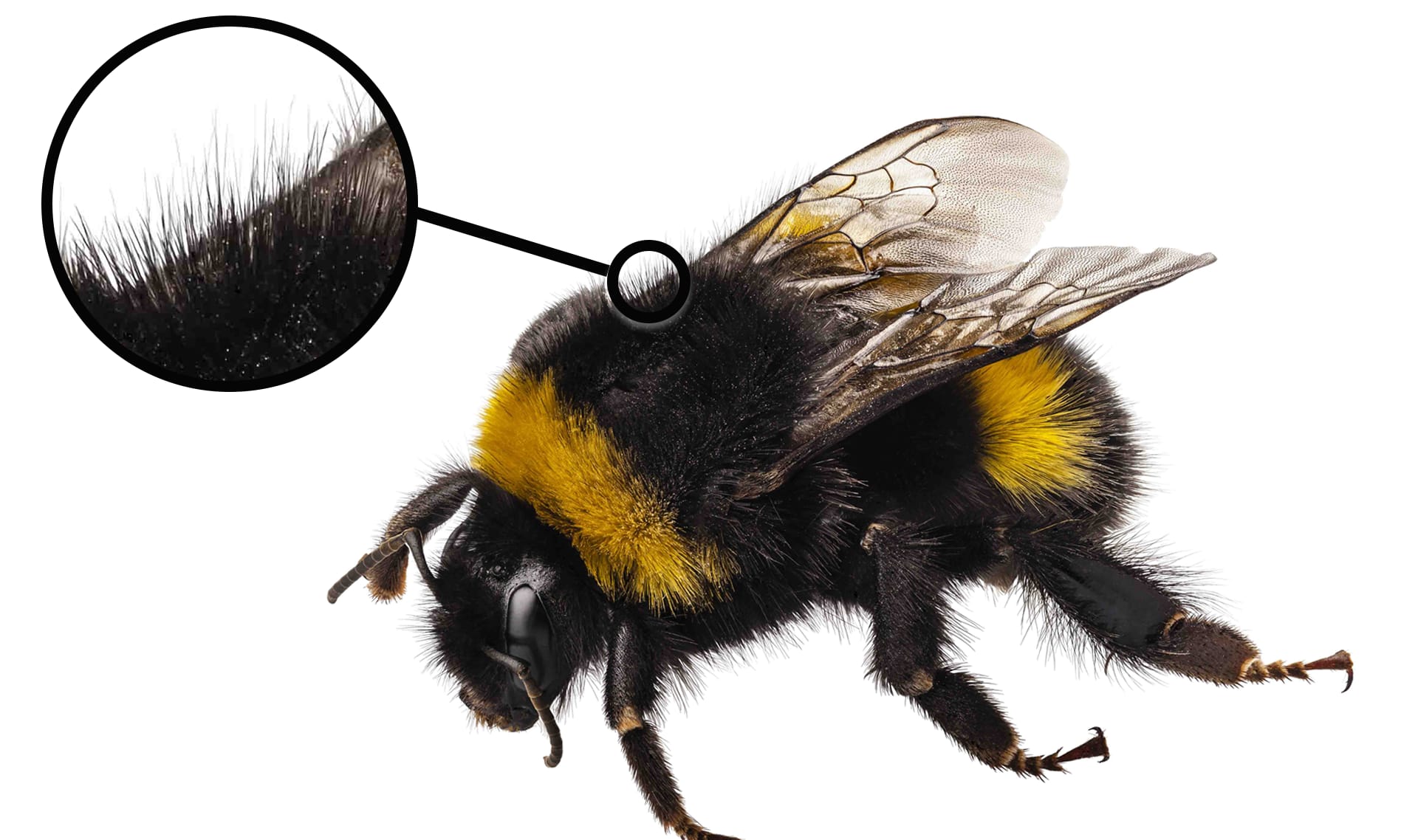
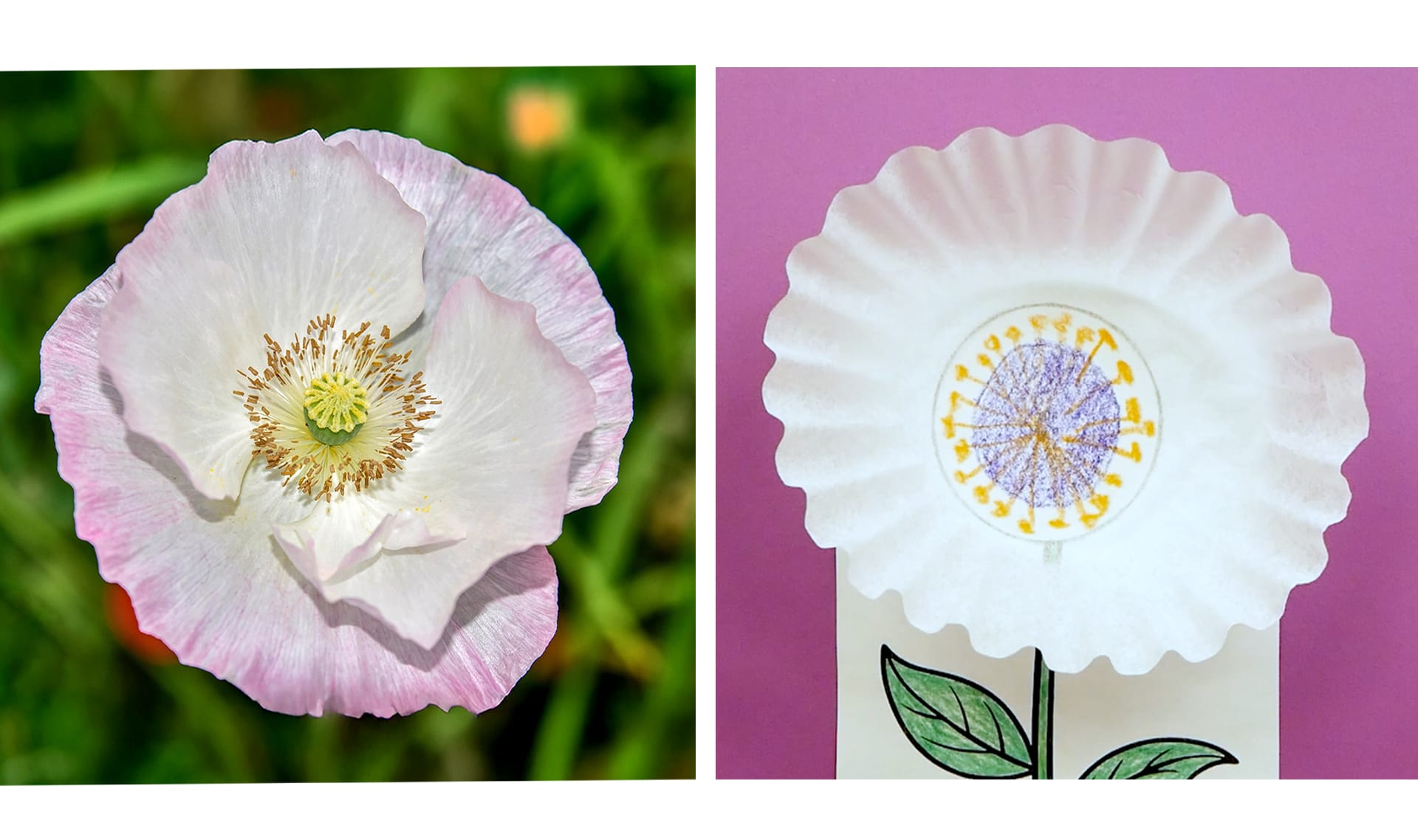

| Flower Model printout | Print 15 copies |
| Pollen Partners printout | Print 15 copies |
| Pollen Partners - Answer Key teacher-only resource | 1 copy |
|
Crayons
We suggest green, purple, and orange for each student.
|
90 crayons
|
|
Glue Sticks
|
30 glue sticks |
|
8" Coffee Filters
White coffee filters with a flat bottom and fluted edges work best.
|
30 coffee filters
|
|
Dixie Cups (3 oz)
|
30 cups |
|
File Folder Labels (Stickers)
We prefer stickers because they are easier to distribute in a classroom.
Tape also works.
|
30 stickers
|
|
Paper Cups (8 oz)
Any small cup or container will work.
|
16 cups
|
|
Pipe Cleaners
We suggest yellow or white so that students can observe the pollen easily.
|
30 pipe cleaners
|
|
Pollen Variety 1 (Ex. Cinnamon)
Cornmeal will also work.
|
8 tablespoons
|
|
Pollen Variety 2 (Ex. Cornmeal)
Ground sage or ground dill will also work.
|
8 tablespoons
|
We suggest students work in pairs. Homeschool students can work on their own, but will need to make two flower models and may need a partner to help with a few steps of the activity.
Cut all of your worksheets in half. Each student will need a 1/2 sheet of the Flower Model and 1/2 sheet of the Pollen Partners worksheet.
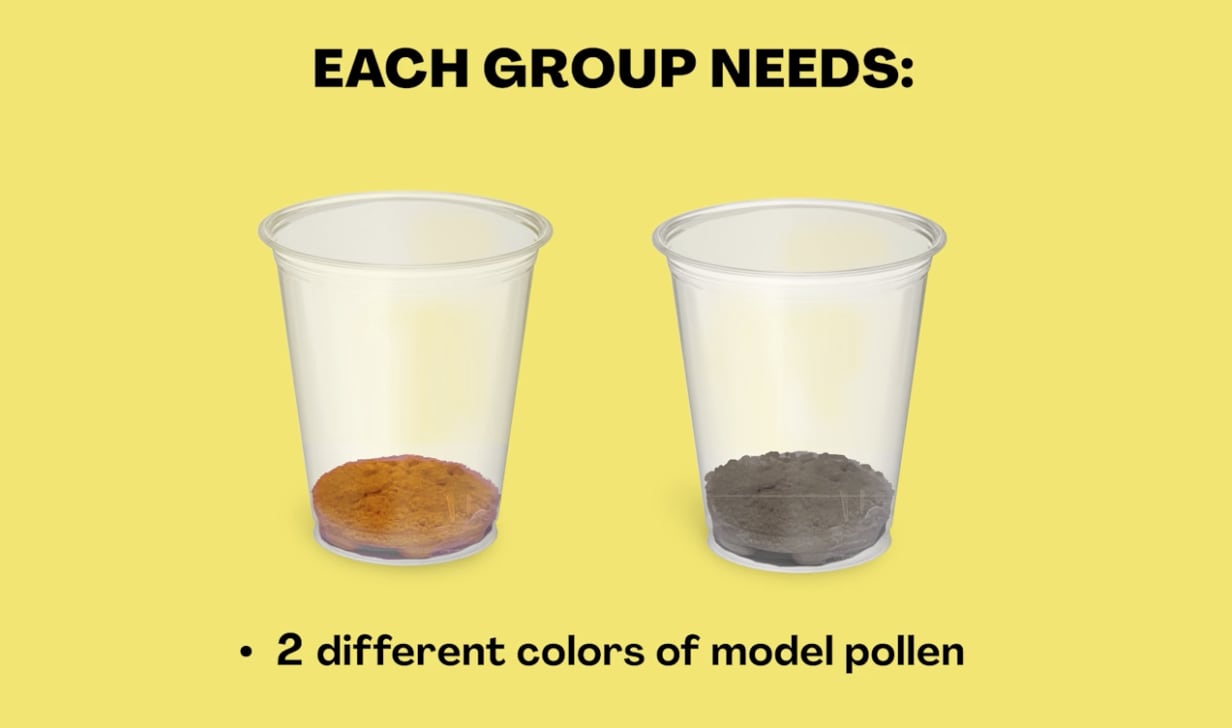
Divide your 8-oz cups into two equal piles. In one pile, add about a tablespoon of one pollen model (e.g. cinnamon) to each cup. In the other pile, add about a tablespoon of the other pollen model (e.g. finely ground coffee) to each cup. Table groups of four students will share two cups.
Materials for this activity are needed at two different steps, so we suggest organizing them beforehand for easier distribution. Students need these supplies in Step 2:
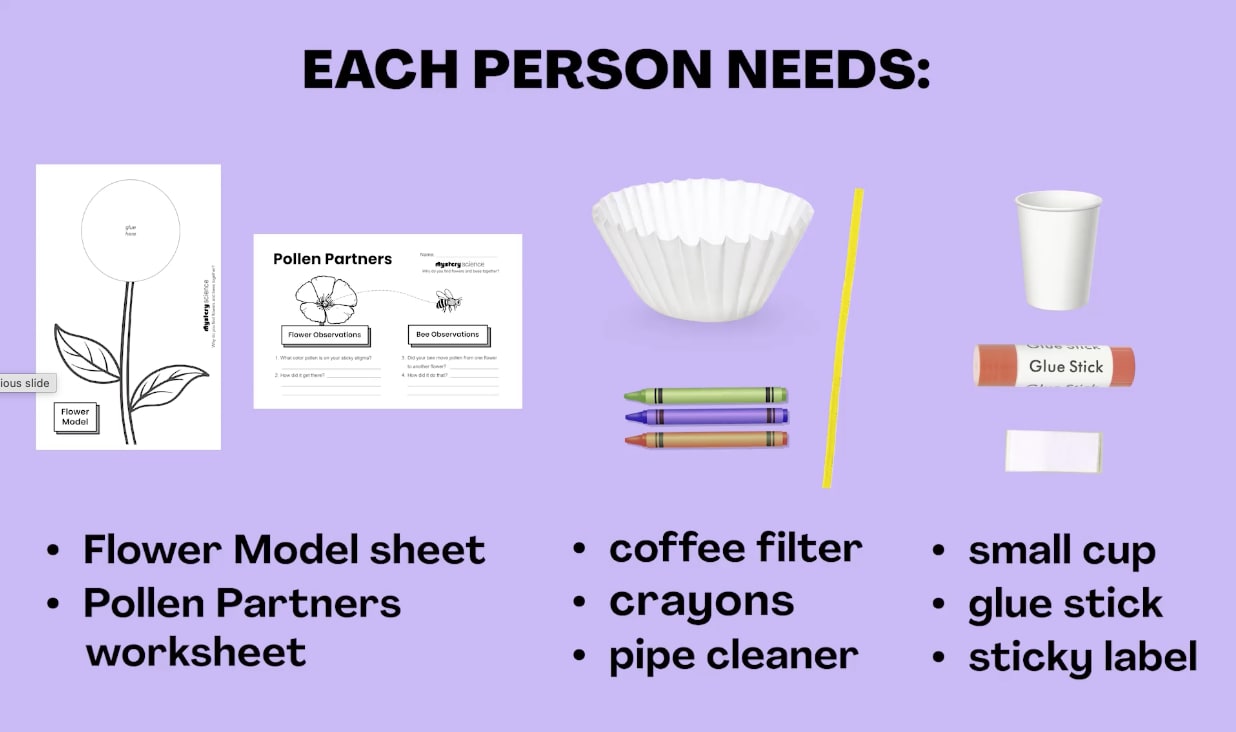
Then you'll distribute the cups with model pollen in Step 9.
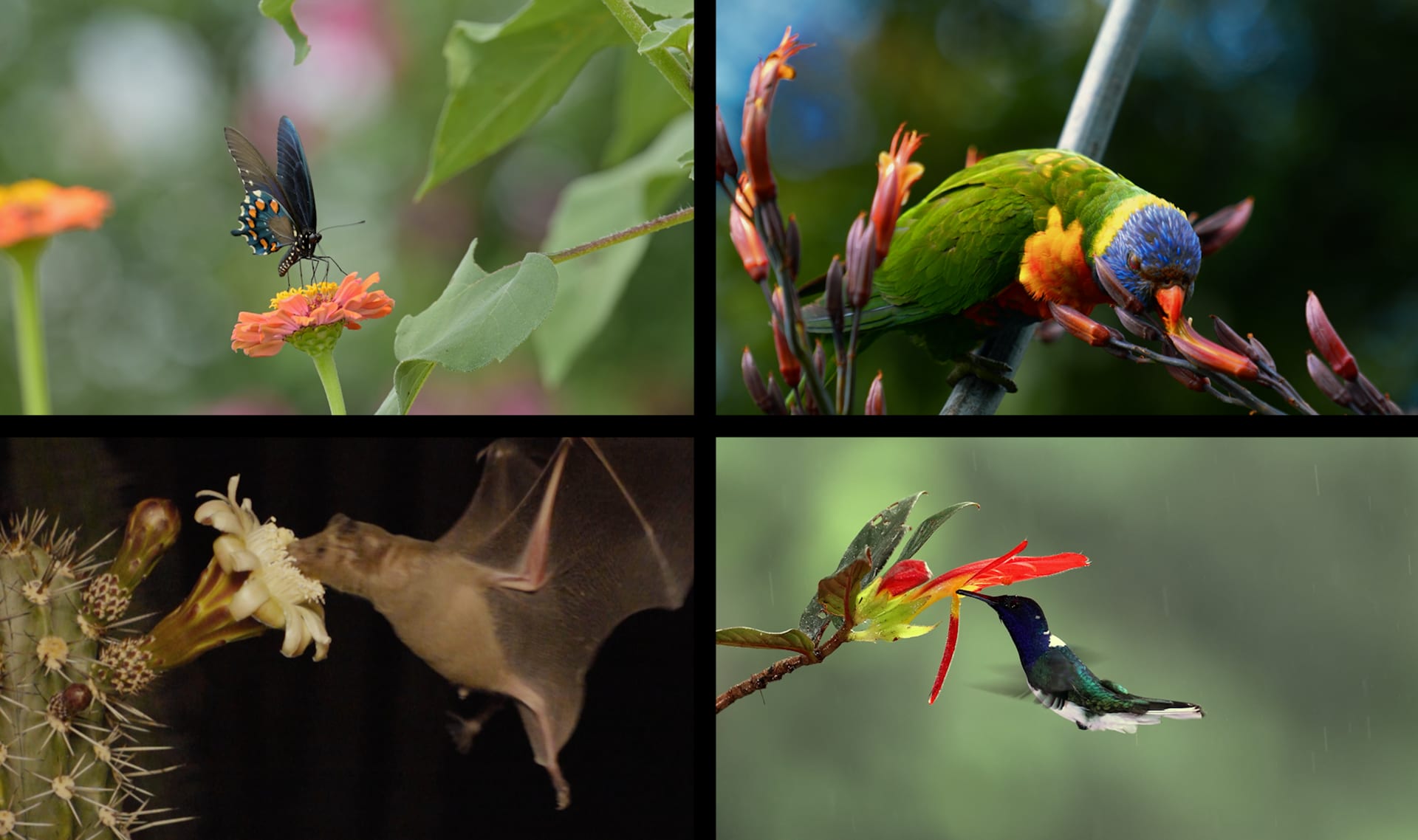
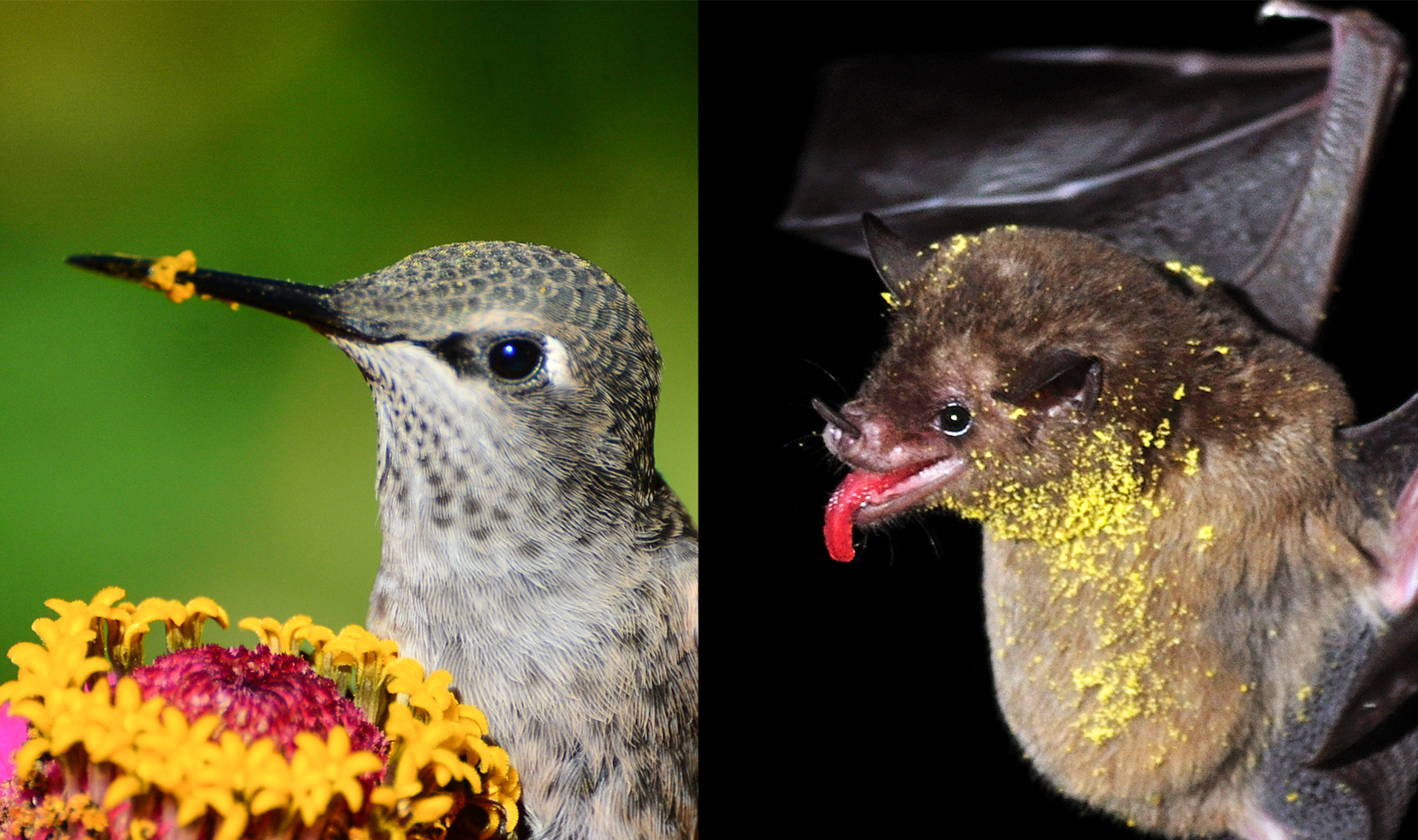
Develop a simple model that mimics the function of an animal in dispersing seeds or pollinating plants.

Locked
6:10

Why is the sky blue?
Locked
4:41
Why do we call them doughnuts?
Locked
5:16
Could a turtle live outside its shell?